Best Disposable Camera Apps 2026: Dispo, Huji, and the Ones Worth Your Time

Kodak's disposable camera sales have doubled over the past five years. Not film cameras. Not DSLRs. The $8 plastic box you buy at a gas station. Gen Z, the generation that grew up with 48-megapixel phone cameras, is spending real money on 27 blurry exposures and a $15 development fee.
That impulse makes total sense. There's something about not seeing your photos right away, about grain and light leaks and imperfection, that feels more real than the fifteenth selfie attempt with the front camera. The problem is that actual disposable cameras are expensive, wasteful, and half the shots come back overexposed or pitch black.
So people turned to apps. Dispo, Huji Cam, NOMO, and a growing list of alternatives promise the analog feeling without the film development hassle. Some of them are genuinely good. Some are glorified Instagram filters. And almost none of them solve the real problem people have at events: getting everyone's photos into one place.
I tested the most popular ones. Here's what's actually worth downloading in 2026.
The Disposable Camera App Boom, Explained
The disposable camera market is now worth over $1 billion, with Gen Z making up 63% of consumers. The appeal isn't really about photography quality. It's about friction. When you can't retake a photo, you stop performing for the camera. You stop checking how you look. You just... take the photo.
Apps like Dispo and Huji try to recreate that friction digitally. Each takes a different approach, and the differences matter more than you'd expect.
Dispo: The Delayed Gratification Play
Dispo's core idea is clever: you take photos, but you can't see them until 9 AM the next morning. No preview, no retakes, no filters. Just point, shoot, and wait. It mimics the experience of dropping off a roll of film and picking it up days later.
The morning reveal is genuinely fun. Opening Dispo at 9 AM after a party feels like unwrapping a small gift. You get a mix of blurry misfires, accidental masterpieces, and photos you don't remember taking. That's the magic of disposable cameras, and Dispo captures it better than any other app.
The catch: it's iPhone only. And the delay that makes it fun for personal use makes it frustrating for anything time-sensitive. If you're at a wedding and want to share photos with the couple before brunch the next day, Dispo won't help.
Huji Cam: The Aesthetic Without the Wait
Huji takes the opposite approach. You get your photos immediately, but they come with a heavy 1990s filter: grain, light leaks, date stamps, color shifts. The results are unpredictable. Sometimes beautifully so. Sometimes your cousin's face turns entirely orange.
It's free, works on both iOS and Android, and requires zero learning curve. Open, point, tap. That simplicity is why Huji became the default recommendation on every "best film camera app" list. It's also why your camera roll probably already has 200 Huji photos you've never looked at since taking them.
Huji's limitation is that it's purely a camera. No sharing, no albums, no way to collect photos from multiple people. Every photo lives on the phone that took it.
The Rest of the Pack
A 2024 roundup from Superprof lists over 15 film-aesthetic apps, and new ones keep appearing. Here are the ones worth mentioning:
- NOMO (Point and Shoot): Multiple virtual camera models, each with different film emulations. The most technically impressive of the bunch. Paid unlocks for premium cameras.
- VSCO: More of an editing suite than a disposable camera, but its film presets are excellent. Subscription model ($30/year) puts some people off.
- Retrica: Heavy on real-time filters. Popular for selfies. Less about the disposable camera vibe, more about looking good in the moment.
- 1967 Vintage Filters: Does exactly what the name says. Decent for quick edits, limited as a standalone camera.
Most of these apps solve the same problem: making digital photos look analog. They do it well. But they all share the same blind spot.
The Problem None of These Apps Solve
Picture a wedding reception. Eight tables, 120 guests, everyone with a smartphone. The couple puts disposable cameras on each table (a classic move). Or they tell everyone to download Dispo for the evening.
What happens after? The disposable cameras go home with random guests who forget to develop them. The Dispo photos live on individual phones. Someone creates a WhatsApp group that reaches 400 messages by midnight, mostly blurry videos nobody asked for. The couple ends up with their photographer's polished shots and maybe 30 guest photos forwarded over the next two weeks.
The apps replicate the disposable camera aesthetic. They don't replicate what people actually want from disposable cameras at events: a shared collection of everyone's unfiltered moments, in one place, without chasing people down.
If you love the retro aesthetic for everyday photos, Huji or Dispo are great picks. But for events where multiple people need to contribute to the same gallery, you need a different tool entirely.
What Actually Works for Events
The gap between "fun camera app" and "event photo sharing" is bigger than it looks. At an event, you need three things these apps don't offer: a shared destination for everyone's photos, zero friction to join (no app install, no account), and a way to see the photos together in real time.
That's where QR code-based photo galleries come in. Guests scan a code, their phone browser opens, and they upload directly. No download, no login, no "what's the album link again?" conversations. Photogala takes this a step further with a polaroid gallery layout that gives every photo that vintage border and handwritten-caption feel, so you get the disposable camera aesthetic without losing the shared experience.
The gallery view on a guest's phone
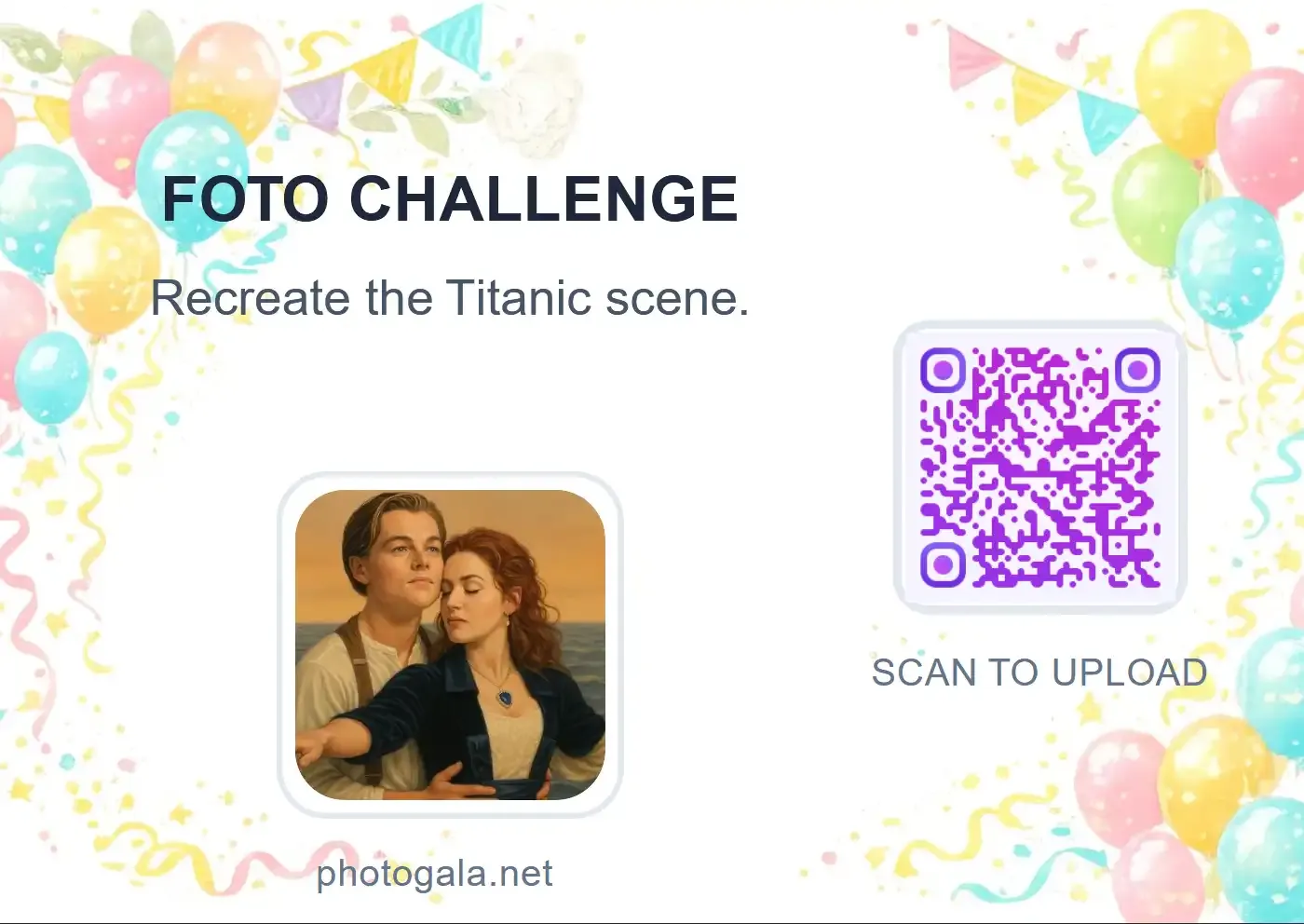
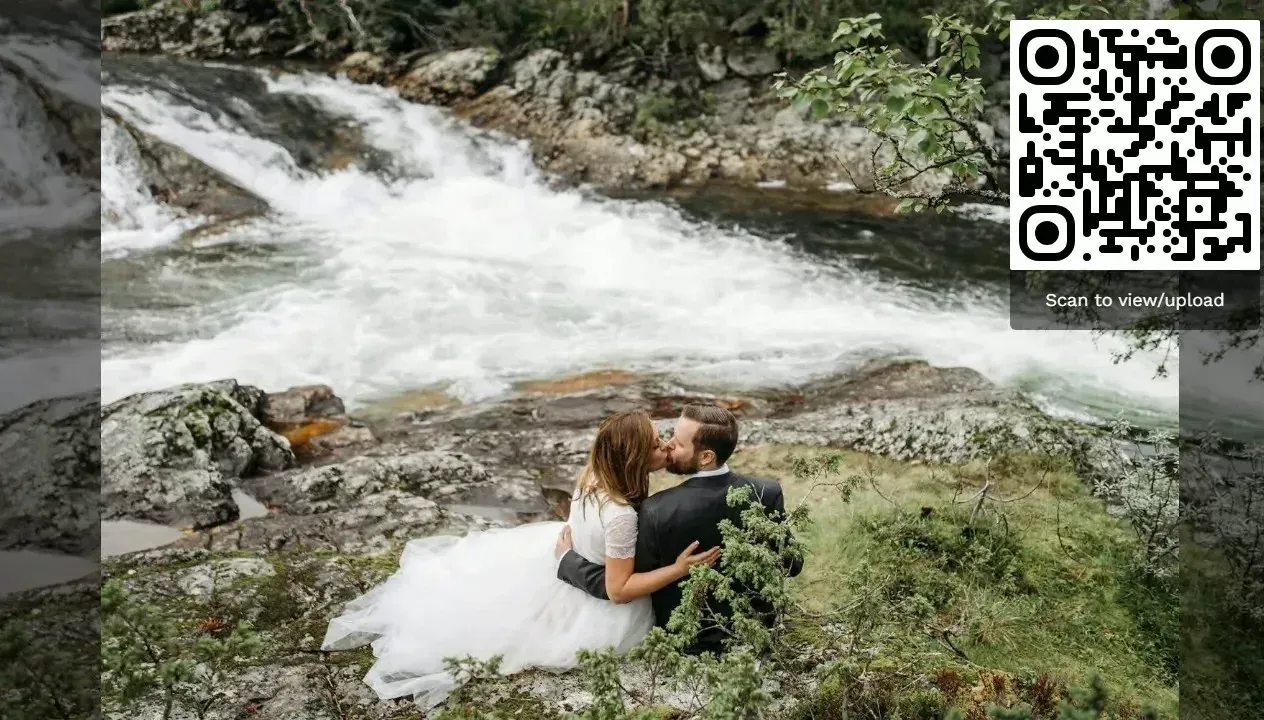
The photo wall feature is where it gets interesting at events. Imagine a TV or projector at the venue cycling through guest photos as they come in, each one framed like a polaroid. It creates the same "oh, look at that one!" moments you get when passing around developed disposable photos, but live.
Ready to create your gallery?
Side-by-Side: Retro Apps vs. Event Sharing
Here's where these tools actually differ. Aesthetic apps and event sharing platforms solve fundamentally different problems, and the feature gap shows it clearly:
Disposable Camera Apps vs. Event Photo Sharing
| Feature | Dispo | Huji Cam | Photogala |
|---|---|---|---|
| Retro/film aesthetic | polaroid layout | ||
| No app install needed | |||
| Works on Android | |||
| Shared gallery for groups | |||
| Live photo wall (TV) | |||
| Photo challenges | |||
| Multiple people upload to one gallery | |||
| Free tier | |||
| Delay before seeing photos | 9 AM next day | ||
| Works without internet |
The table makes the tradeoff obvious. Dispo and Huji are personal cameras. Photogala is a group experience. They're not really competitors because they solve different problems. The mistake is using a personal camera app when what you need is a shared gallery.
When to Use What
Use Dispo when you're out with friends and want to capture a night without obsessing over how the photos turn out. The 9 AM reveal adds genuine excitement. Just know that your photos stay on your phone unless you manually share them later.
Use Huji for quick everyday snapshots when you want that film look without thinking. Casual, free, dead simple. Expect to love about 1 in 5 photos and delete the rest.
Use a QR code gallery (like Photogala) when photos need to end up in one place: weddings, birthdays, corporate events, reunions. The retro aesthetic is a nice bonus with the polaroid layout, but the real value is that every guest's photos land in one gallery without anyone downloading an app or creating an account.
One honest tradeoff with Photogala: it's not free. Plans start at €39 as a one-time payment. For a casual hangout, that doesn't make sense. For a wedding where you'd otherwise buy 10 disposable cameras at $8 each (plus $15 development per camera), the math works out fast. And you don't end up with 140 out-of-focus shots of table centerpieces that nobody wanted.
The Nostalgia Angle That Actually Works at Events
Here's something I didn't expect. The photo challenge feature, where you set specific photo tasks for guests ("recreate this pose," "find something blue," "take a photo of someone dancing"), triggers the same behavior that makes disposable cameras fun at events. People stop curating and start playing. They take silly photos, spontaneous photos, photos they'd never post on Instagram.
You can even use example preview photos in challenges to create a photo roulette: guests get a random reference image and have to recreate it. Say the reference is a famous movie poster. A couple tries to recreate the Titanic pose by the bar. A group of groomsmen attempts the Abbey Road walk across the dance floor. It's the unpredictability of disposable cameras channeled into something shareable.
That unfiltered energy is what people are really nostalgic for. Not grain and light leaks (although those are nice). The feeling of taking photos without overthinking them. Challenges and a leaderboard give guests permission to be goofy, and the results are consistently more interesting than curated uploads.
If the disposable camera trend at events appeals to you, the deeper question is whether you want the aesthetic or the experience. The apps give you the aesthetic. A shared gallery with challenges gives you the experience. Our comparison of disposable cameras vs. digital sharing digs deeper into the cost and environmental side of that choice.
The disposable camera revival isn't going away. The desire for imperfect, authentic photos is a genuine reaction to a decade of overproduced content. Whether you scratch that itch with Huji on a Tuesday afternoon or a polaroid-style shared gallery at your wedding, the point is the same: the best photos are the ones people actually enjoy taking.
Ready to create your gallery?
Start sharing your event photos with guests in minutes.
Create GalleryWritten by

I believe event photos should be more than static galleries. They should be live, playful, and unforgettable.
Categories
Related Posts
Backyard Wedding Photo Sharing: Big Memories, Small Venue
Small backyard weddings produce surprisingly rich photo collections when every guest becomes a photographer. Here's how to make it happen without a single WhatsApp group.
Rehearsal Dinner Photo Sharing: Start Collecting a Day Early
The rehearsal dinner sets the emotional tone for the whole wedding weekend. Here's how to make sure those photos don't vanish into 15 different camera rolls.
Multicultural Wedding Photo Sharing: Honoring Every Tradition in One Gallery
When your wedding blends two (or more) cultures, collecting guest photos gets complicated fast. Here's how to make it work without losing a single moment.