Disposable Cameras Sound Fun Until You Develop the Film

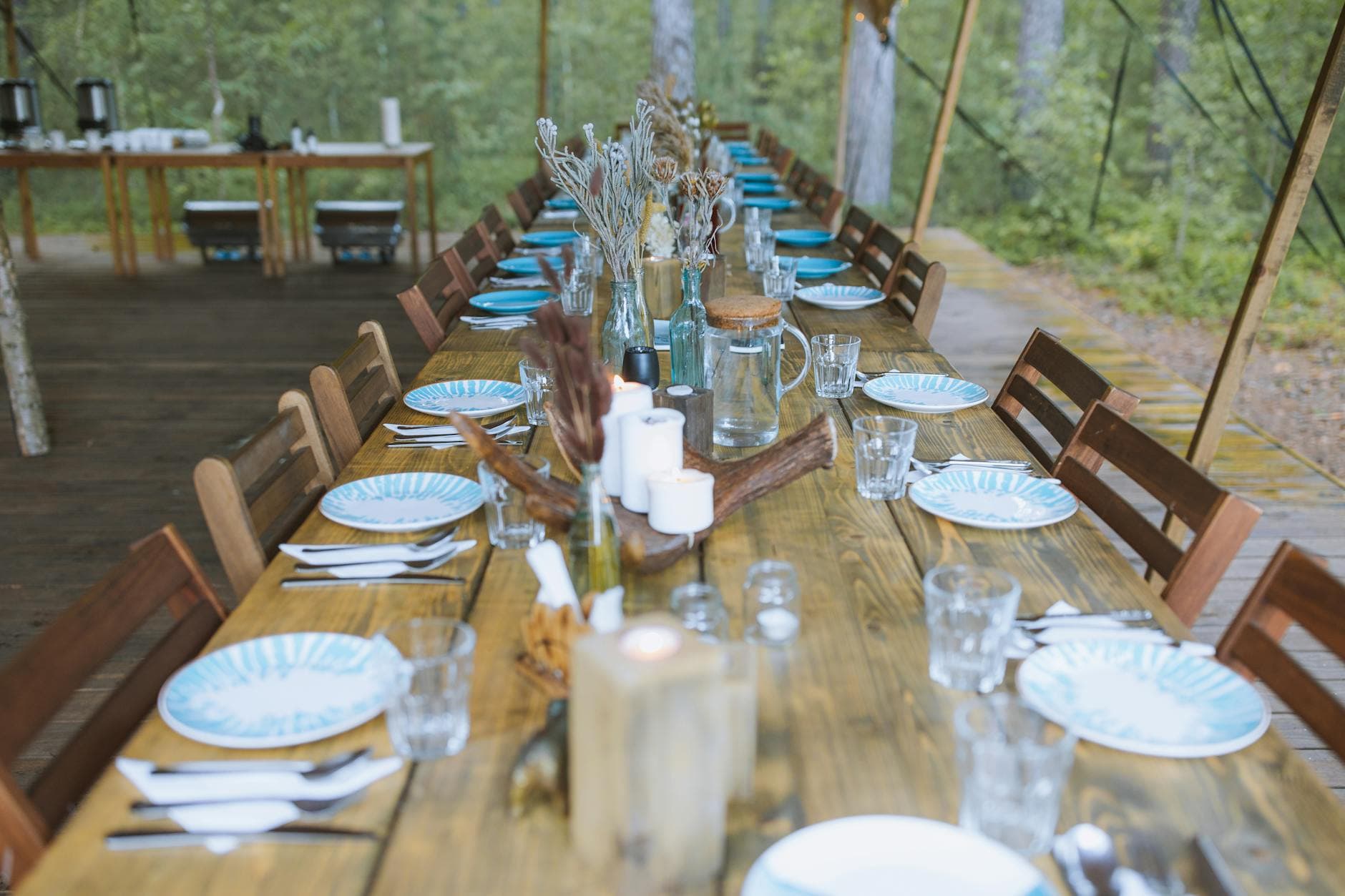
Picture a reception table at a summer wedding. White linen, a mason jar of wildflowers, and a pastel Kodak disposable camera with a little card: "Capture the love!" You've seen this setup on Pinterest a hundred times. It looks perfect. Timeless. Analog in the most charming possible way.
Now picture the same couple six weeks later, sitting on their couch with a shoe box of developed prints. $216 spent across 8 cameras. Of the 216 possible exposures, 73 were actually taken. Of those 73, maybe 40 are in focus. Maybe 15 have decent lighting. Six are worth framing.
The gap between the Pinterest aesthetic and the developed reality is where this article lives. Because there's a reason the people selling you that charming table setup never show you what comes back from the lab.
The Numbers Behind the Nostalgia
A decent disposable camera runs $12-18 and gives you 27 exposures. For a wedding with 10-15 tables, you need 8-10 cameras. That's $100-180 before anyone takes a single photo.
Then comes developing. Finding a local lab that still processes 35mm film is getting harder every year. Expect $10-15 per camera for prints plus digital scans. That's another $80-150 for your stack of cameras. Total investment for 8 cameras: roughly $180-330.
POV Camera's review of wedding photo apps captures the old reality well: couples used to "leave disposable cameras on every table, only to develop a dozen rolls of blurry dance floor photos weeks later." The key word there is blurry. Fixed-focus lenses, built-in flash with a 3-meter range, ISO 400 film. These cameras weren't designed for dimly lit reception halls.
The real cost per photo: 8 cameras × $15 = $120. Developing 8 rolls with scans × $12 = $96. Total: $216. Typical usable photos: 40-70. That works out to $3-5 per photo you'd actually want to keep.
The Problems Nobody Photographs
Beyond the cost, disposable cameras have a logistics problem. At a typical reception, 2-3 cameras get pocketed by kids who think they've found a toy (adorable, but those rolls come back with 27 shots of the ceiling and the underside of a table). Another camera or two disappear entirely, slipped into a purse or a jacket pocket by a guest who forgot they had it.
The cameras that stay on tables? Most guests take 3-5 photos, realize the viewfinder is tiny and the shutter delay is weird, and put the camera down. There's no preview, no delete, no second chance. You find out what you got weeks later.
And that's the biggest issue: the turnaround time. Film developing takes 1-3 weeks. By then, the honeymoon is over. The excitement of reliving candid moments has cooled. You open the envelope, flip through a stack of half-dark photos, and think: was this worth $216?
What QR Code Sharing Does Differently
The logic behind QR code photo sharing flips the disposable camera model on its head. Instead of providing cameras, you provide access to a shared gallery. Guests scan a QR code with their phones, open a browser page (no app download, no account creation), and upload the photos they're already taking.
As SVENStudios notes, traditional photo collection methods like hashtags, shared drives, and group chats are "messy, scattered, and often leave half the photos behind." A QR code centralizes everything into one gallery, visible to everyone, in real time.
The psychology matters here. You're not asking guests to learn a new device. You're not asking them to change behavior at all. They're already taking photos on their phones. The QR code just gives those photos somewhere to go. That's why the participation rate is so much higher: the friction is close to zero.
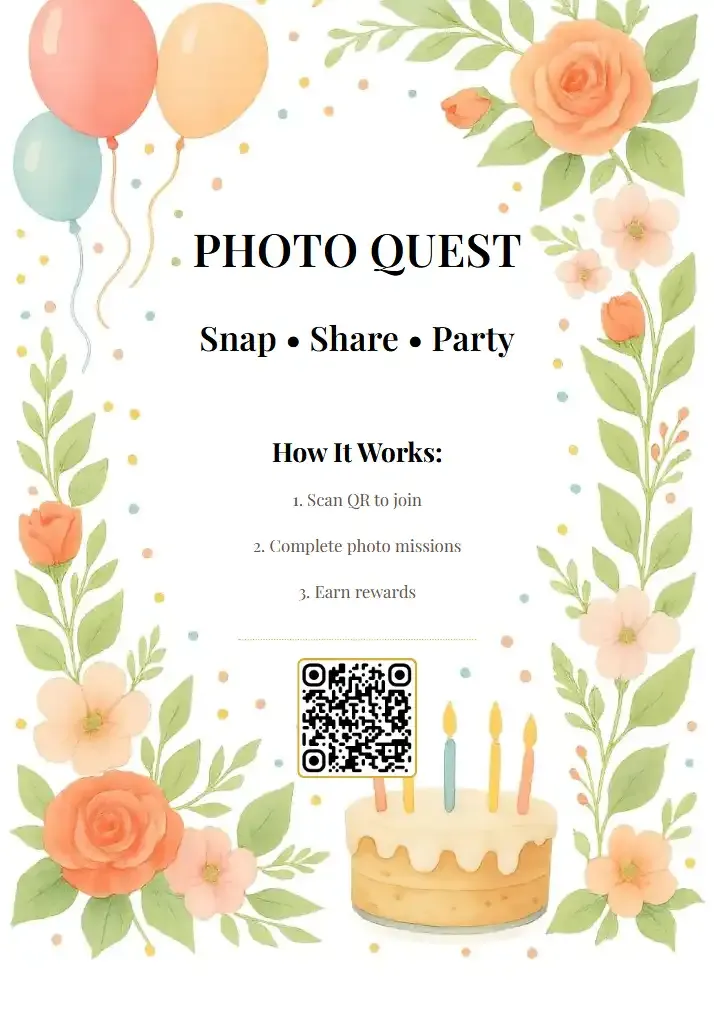
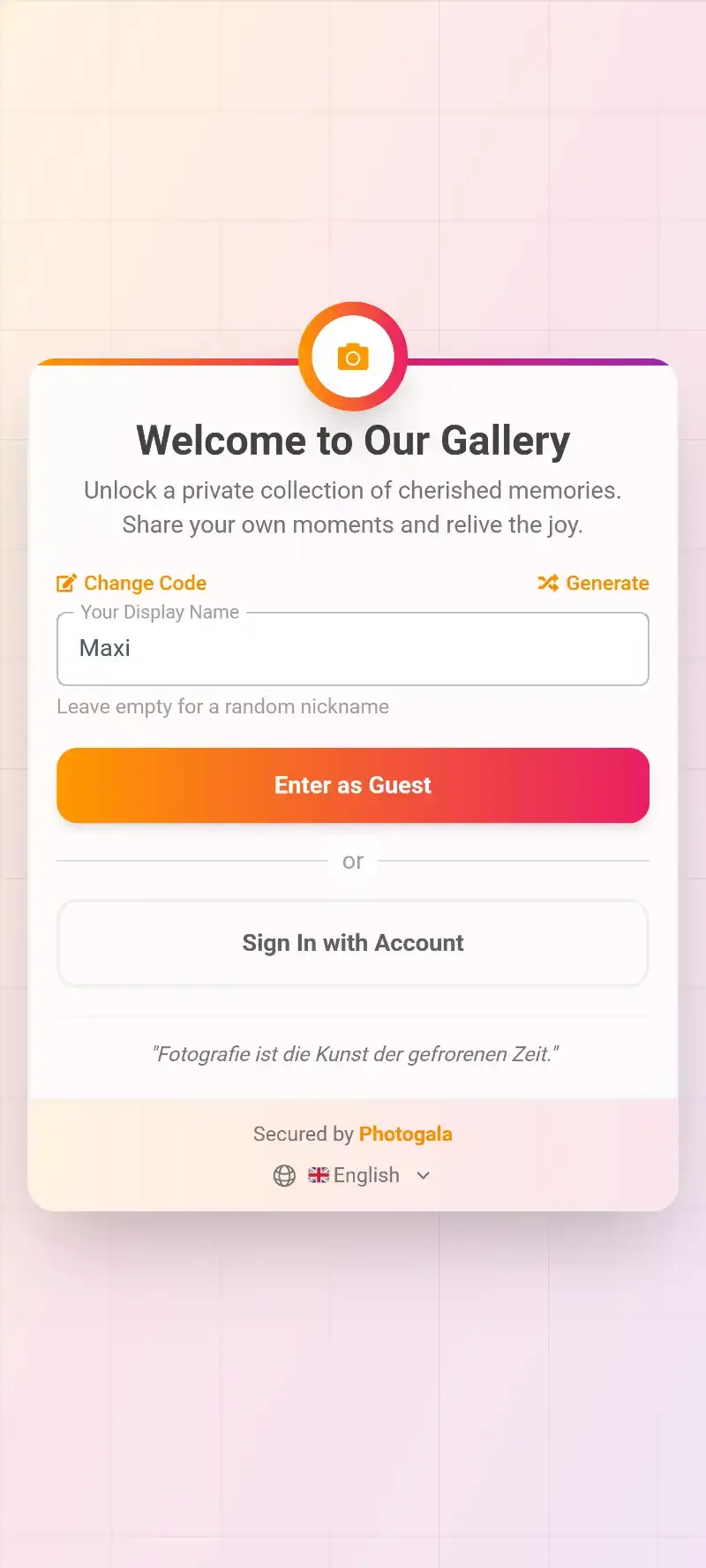
1.Scan the QR code from a table card or display
That's the entire guest experience. Four screens, under 30 seconds, and the photos show up in the shared gallery instantly. No developing. No waiting. No shoe box of prints three weeks later.
See it in action
Every guest photo in one album – no app.
The Honest Side-by-Side
Here's where both options land when you compare them on what actually matters. I've included the one category where disposable cameras genuinely win, because pretending they have no advantages would be dishonest.
Disposable Cameras vs. QR Code Sharing
| Feature | QR Code Sharing | Disposable Cameras |
|---|---|---|
| Cost (10-table event) | $35-79 one-time | $180-330+ |
| Typical usable photos | 200-800+ | 40-80 |
| Cost per usable photo | $0.05-0.40 | $3-5 |
| Time to see results | Instant | 1-3 weeks |
| Video support | ||
| Works in low light | flash ~3m range | |
| Shareable same day | ||
| Vintage aesthetic | genuine film grain |
The pattern is clear. QR code sharing wins on every practical metric: cost per photo, total photo count, speed, quality in difficult lighting. WedPicsQR's analysis found that the right sharing method gets you 80-1,000 extra photos from guests. Even the low end of that range outperforms a typical 10-camera disposable setup.
But look at that last row. Disposable cameras win on aesthetic. Real film grain, slightly washed-out colors, the unpredictable charm of analog photography. That's not nothing. For some couples, that vintage look is the entire point.
Where Disposable Cameras Actually Shine
Disposable cameras aren't worthless. They serve a genuinely different purpose, and recognizing that purpose is the key to not wasting money on them.
Disposable cameras are an activity, not a collection strategy. Putting them on tables gives guests something physical to play with during cocktail hour. The act of winding film and clicking a shutter is fun, especially for kids and older guests who enjoy the novelty. Wedibox's 2026 guide to collecting wedding photos frames the choice well: it's not technology versus nostalgia. It's about matching the tool to the goal.
If your goal is to collect every candid moment from your event, disposable cameras will disappoint you. If your goal is to give guests a playful activity that produces a few charming keepsakes, they're perfect. The trouble starts when people confuse one goal for the other.
For a deeper breakdown of the actual numbers, check out 10 Disposable Cameras. 270 Shots. Maybe 80 Keepers., which walks through the math for a real-scale wedding setup.
The hybrid approach: Use 3-4 disposable cameras as a fun table activity, but set up QR code sharing as your actual photo collection method. You get the vintage charm AND a complete digital gallery. Budget: $50-70 for cameras + €39–€69 for QR sharing. Total: under $150, with hundreds of digital photos plus a handful of film keepsakes.
Setting It Up Takes 2 Minutes
If you're leaning toward QR code sharing (or the hybrid approach), the setup is almost comically simple compared to buying, distributing, collecting, and developing disposable cameras.
Three steps to a shared gallery
Create your event gallery
Pick a name, choose a style, and your gallery is live. The whole process takes about 2 minutes.
Print or display the QR code
Put the QR code on table cards, a poster near the entrance, or the back of your menu. Guests scan it with any phone camera.
Photos roll in automatically
Guests upload from their phones. Photos appear in the shared gallery in real time. No app, no account, no film to develop later.
The first photo usually shows up within minutes of the QR code going live. By the end of a 200-guest wedding, you can realistically expect 300-600 photos depending on how visible you make the QR code. Compare that to the 40-70 usable shots from a stack of disposable cameras.
The disposable camera aesthetic isn't going anywhere. Pinterest will keep pinning those pastel Kodaks on white linen tables, and honestly, they do look lovely sitting there. But the next time you see that setup, remember: looking good on the table and delivering good photos are two very different things.
All of this comes with your own event.
Setting it up takes five minutes. You can build and view everything before you decide.
Starting from €39 one-timeOne-time payment — No subscription
- No App Required
- Setup in 5 Minutes
- 30-Day Money Back
“I use PhotoGala Deluxe and I'm absolutely thrilled. It was the perfect solution for documenting a sports event. Uploading and downloading via the link is a breeze for every participant. What won me over most were the photo wall and the slideshow – both are quick to set up and look really professional. Big praise also to Peter from the PhotoGala team: he's very easy to reach by email, replies quickly and even took my suggestions on board and added new features that made my slideshow even better. You rarely get support this dedicated. A clear 5-star recommendation!”
Written by

I believe event photos should be more than static galleries. They should be live, playful, and unforgettable.
Categories
Related Posts

Bridal Shower Photo Sharing: Collect Every Sweet Moment in One Gallery
Bridal shower photos end up scattered across 15 phones. Here's how to get them all into one gallery before the mimosas wear off.

Maternity Photo Sharing: How to Keep Every Announcement, Bump Shot, and Memory in One Place
Pregnancy announcements land on 4 different apps. Maternity photos get lost in group chats. Here's how to keep every photo in one shared gallery your whole family can access.

Sales Kickoff Photo Sharing: How to Turn a Mandatory Meeting Into a Team Memory
Sales kickoffs are expensive. The photos from them usually disappear into 14 different camera rolls. Here's how to fix that.