Photogala vs Waldo Photos: AI-Powered Event Photo Delivery Compared

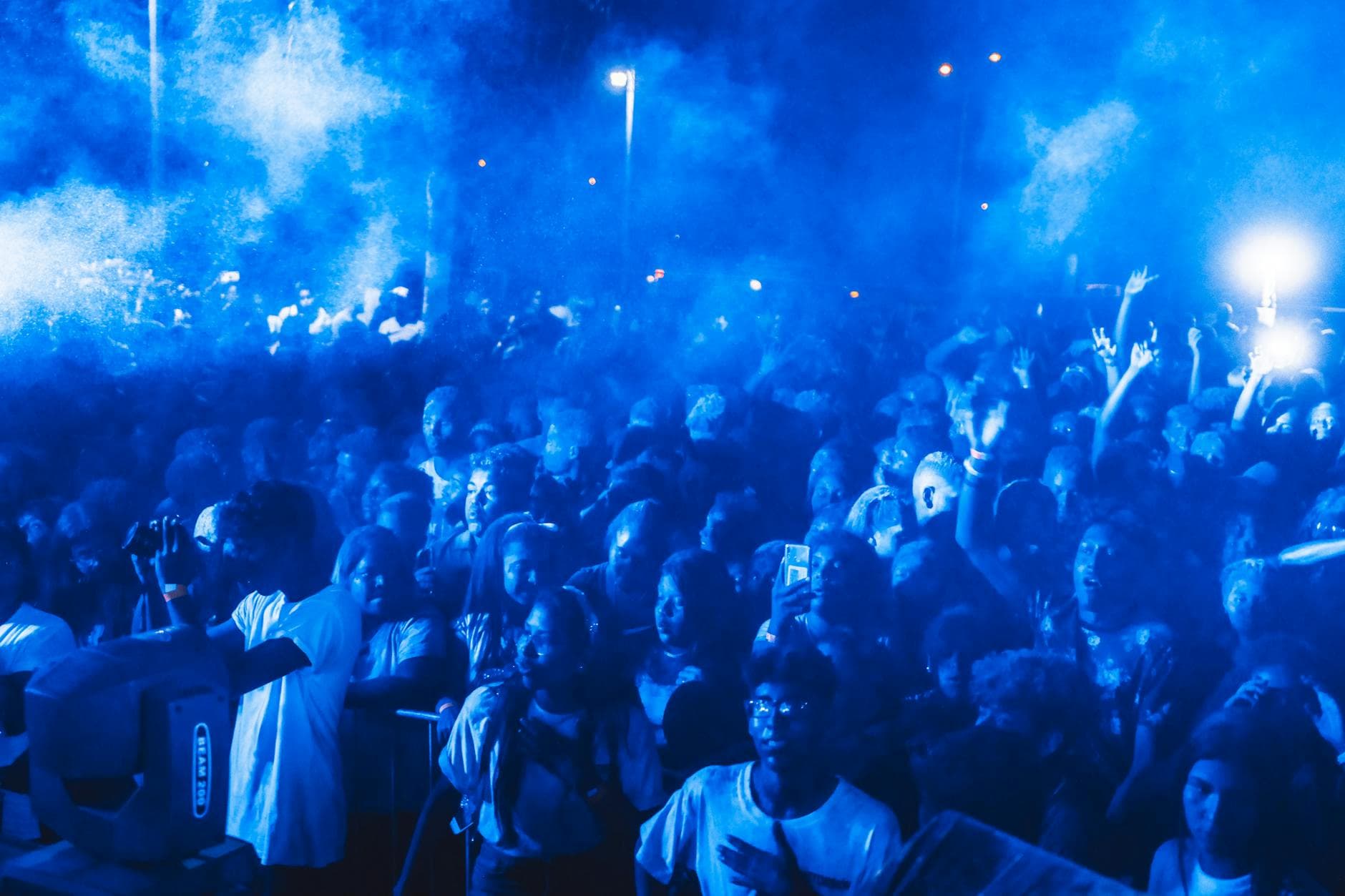
Picture a marathon finish line. Three thousand runners crossing over six hours, seventy photographers positioned along the course, and by Monday morning every runner has a personalized gallery of themselves mid-stride, mid-grimace, mid-triumph. That's what Waldo Photos does, and it does it well.
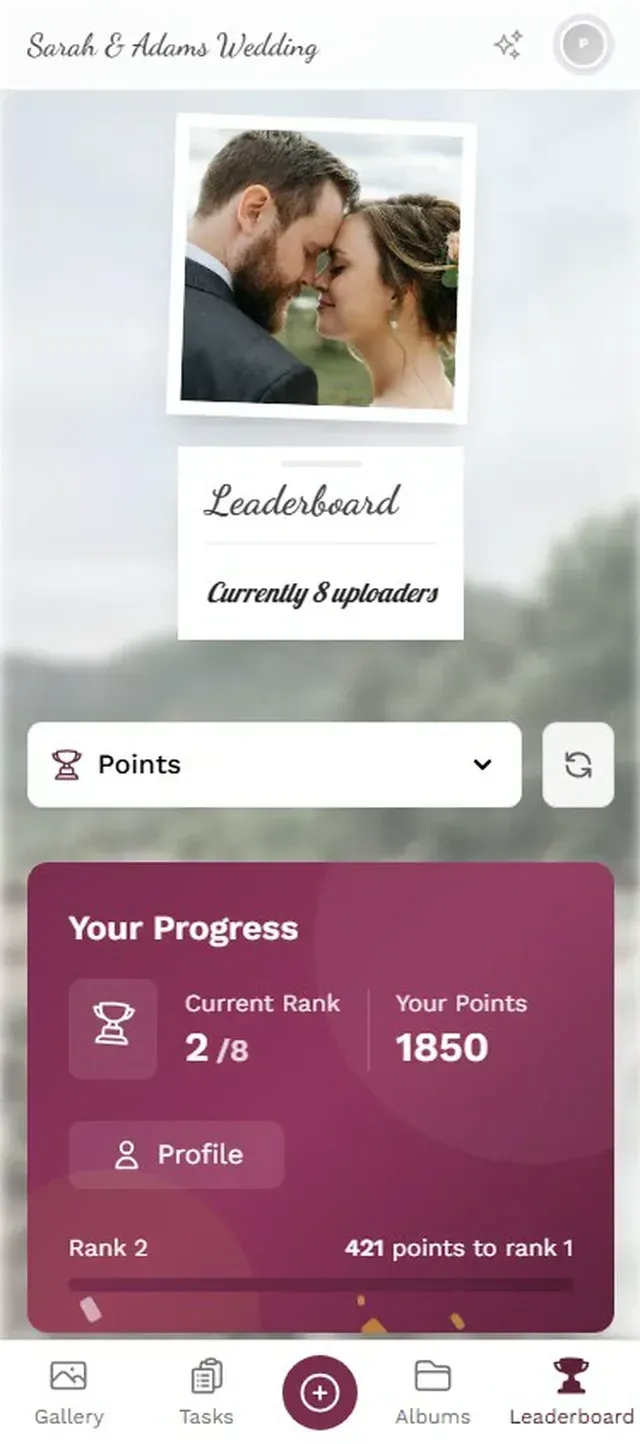
Now picture a 180-guest wedding on a Saturday evening. No professional photographers roaming the tables during the dance floor chaos. Instead, guests pull out their phones, scan a QR code printed on the napkin, and start uploading the weird, wonderful, unplanned photos that the hired photographer would never capture. By midnight, there are 600 photos in a shared gallery. A leaderboard shows the bride's uncle in third place with 34 uploads. That's Photogala.
Both platforms use AI. Both handle event photos. But they're built for fundamentally different situations, and choosing the wrong one means paying for capabilities you don't need while missing features you do.
What Waldo Actually Does
Waldo Photos is a B2B photo distribution platform designed for professional photographers and large-scale event organizers. Think road races, triathlons, theme parks, sports leagues, and music festivals with thousands of attendees. The core workflow: professional photographers shoot the event, upload thousands of images to Waldo, and Waldo's facial recognition engine matches photos to individual attendees. Each person gets a personalized gallery delivered to their phone or email.
The technology is impressive. According to Ticketroot's analysis of AI photo distribution, the manual tagging process for large events used to take weeks. Attendees would lose interest long before their photos arrived. AI distribution solves that by delivering personalized, branded photos within hours (sometimes minutes) of capture.
Waldo's strength is scale. When you have 50,000 race participants and 200,000 photos, you need industrial-grade facial recognition to sort that mess. That's Waldo's wheelhouse.
What Photogala Actually Does
Photogala flips the model. Instead of professional photographers uploading to a system that distributes to attendees, the attendees are the photographers. Guests upload their own photos and videos via QR code (no app install, no account creation), and everything lands in a shared gallery visible to everyone at the event.
The AI layer works differently too. Photogala uses face recognition to let guests filter the gallery and find photos of themselves, not to distribute photographer images. On top of that, an AI-powered NSFW filter catches inappropriate content before it hits the gallery or the photo wall on the big screen behind the DJ booth.
Guests scan, upload, done. No app, no account.
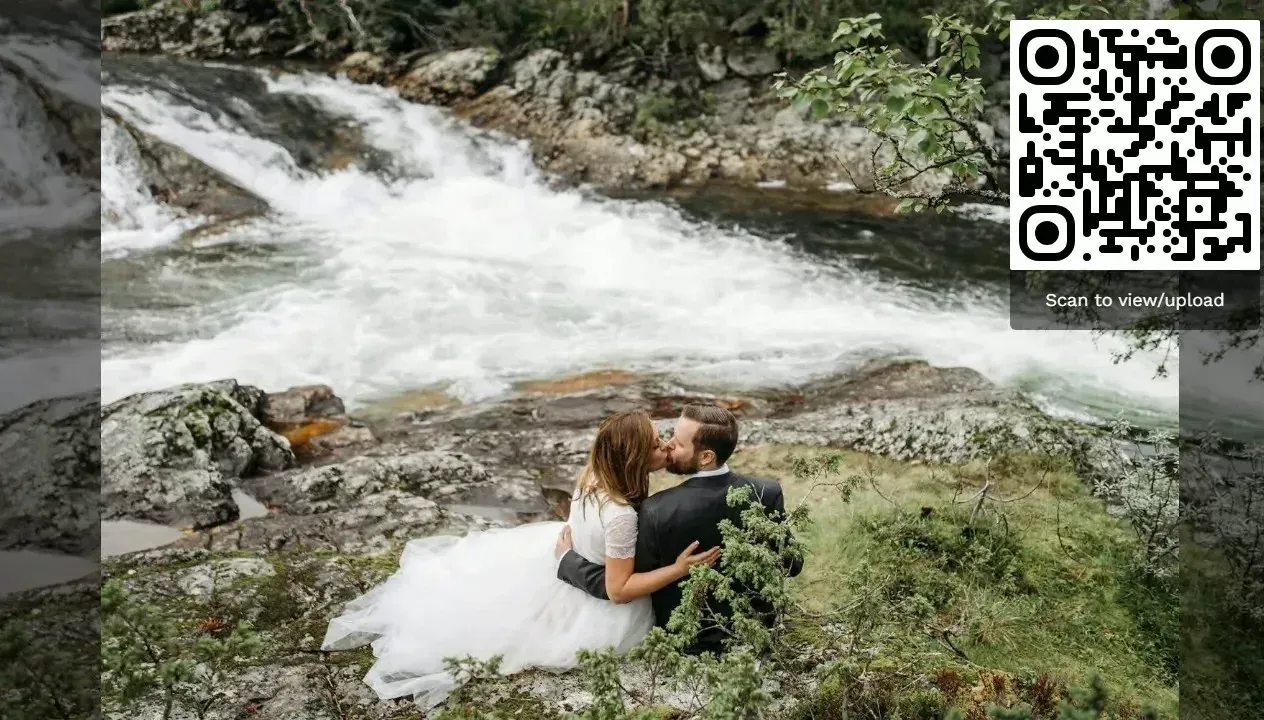
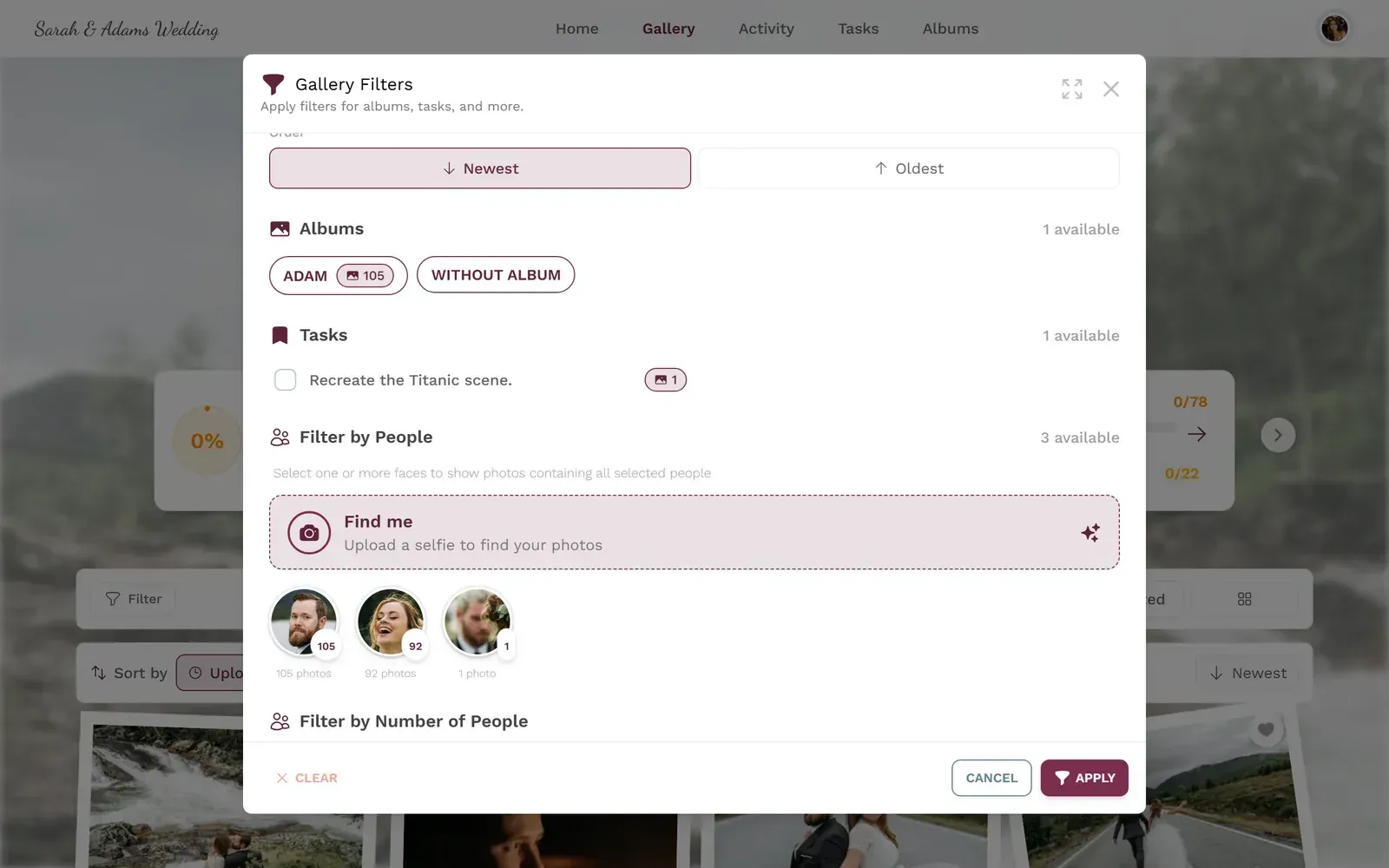
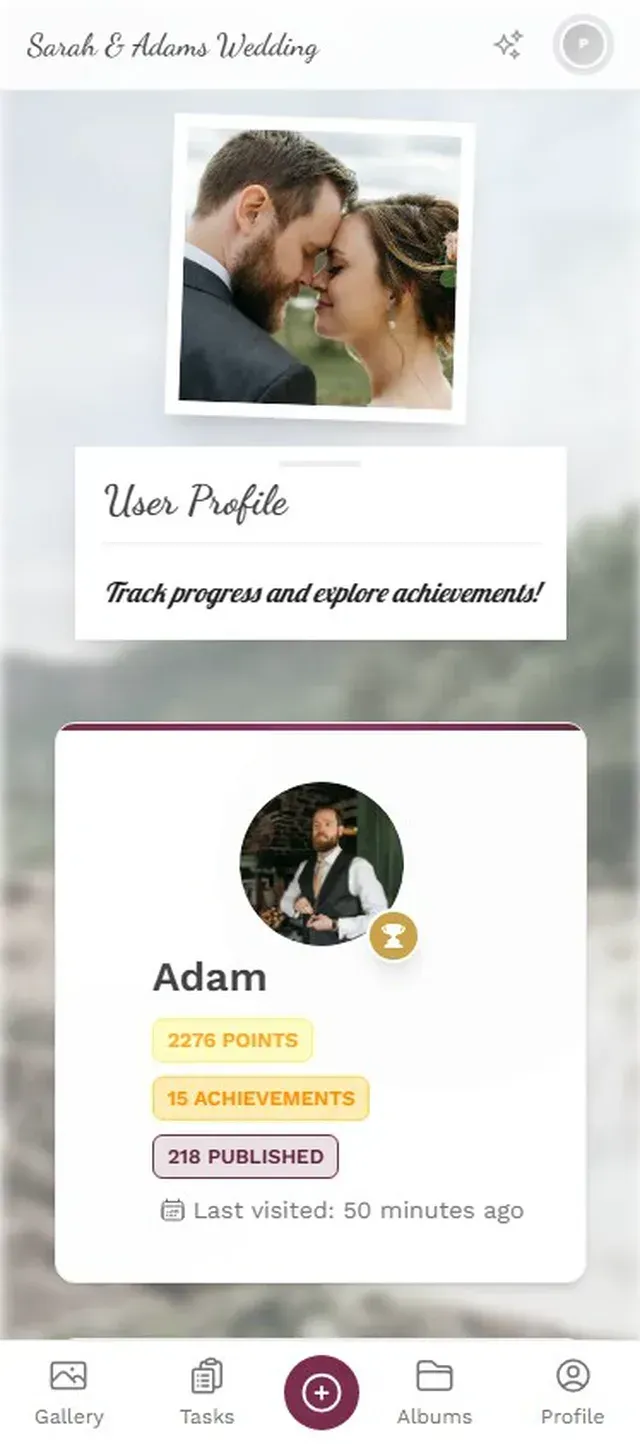
But Photogala isn't just a photo bucket. It layers on gamification (photo challenges, achievements, leaderboards, real-world rewards), social features (comments, likes, @mentions), and a full moderation dashboard. That combination doesn't exist anywhere else in this space.
Discover what Photogala can do
The Core Difference: Who Takes the Photos?
This is the question that decides which platform you need.
Waldo model: Professional photographers → AI sorts → attendees receive their photos. The attendee is passive. They show up, get photographed, and later receive a curated set of images someone else took of them.
Photogala model: Guests take photos → upload via QR code → AI helps organize → everyone sees everything. The attendee is active. They're the content creators, the curators, and the audience simultaneously.
Neither model is "better." A 10K run with 3,000 participants absolutely needs the Waldo approach. Nobody's asking marathon runners to upload selfies mid-race. But a wedding, a company holiday party, a reunion, a birthday? The magic is in what the guests themselves capture. The drunk dance floor shots. The quiet moment between the father and the bride that only a nearby cousin noticed. The table's attempt to recreate the meme pose from a photo challenge.
Feature Comparison: Side by Side
Photogala vs Waldo Photos (as of March 2026)
| Feature | Photogala | Waldo Photos |
|---|---|---|
| Guest self-upload via QR | ||
| AI face recognition | clustering + filter | distribution engine |
| AI NSFW content filter | ||
| Photo challenges / gamification | challenges, achievements, leaderboard, rewards | |
| Social features (comments, likes) | ||
| Live photo wall / TV display | ||
| Content moderation dashboard | ||
| Professional photographer workflow | ||
| Large-scale distribution (10K+ attendees) | ||
| Branded sponsor overlays | ||
| No app install required | ||
| Multiple gallery layouts | 4 layouts | basic gallery |
| Custom branding | ||
| Pricing model | One-time payment | Per-event or subscription |
Look at that table and one thing becomes clear: these products barely overlap. Waldo wins decisively on professional photographer workflows and massive-scale distribution. Photogala wins on guest engagement, interactivity, and the features that make a 200-person event actually fun.
Where Waldo Genuinely Wins
Credit where it's due. If you're organizing a sporting event, a theme park, or a concert with professional photographers capturing tens of thousands of images, Waldo's infrastructure is purpose-built for that. Their facial recognition is trained on the specific challenge of matching a sweaty, mid-sprint runner across different camera angles and lighting conditions. That's a hard computer vision problem, and they've invested years in solving it.
Waldo also offers branded sponsor overlays on delivered photos, which matters for commercial events. When a race sponsor wants their logo on every finisher photo that gets shared on Instagram, Waldo delivers that. Photogala doesn't, because that's not what weddings and company parties need.
Honest take: If your event has hired photographers and thousands of passive attendees, Waldo is the right tool. Don't use Photogala for a marathon. That's not what it's for.
Where Photogala Goes Further
For events where guests are the photographers (which is most private and corporate events), Photogala offers an engagement layer that Waldo simply doesn't have.
Consider photo challenges. You set up tasks like "Capture someone on the dance floor" or "Best group selfie at Table 5," and guests compete to complete them. Challenges can include example preview photos that show guests what to aim for, which opens up creative formats: photo roulette (recreate this pose), meme recreation, movie scene reenactments. Imagine a 62-year-old uncle at a wedding, three drinks in, trying to recreate a famous movie poster because it's worth 50 points on the leaderboard. That's engagement you can't manufacture with a distribution platform.
Then there's the live photo wall. Guests upload a photo, and seconds later it appears on the TV behind the bar. That feedback loop, seeing your photo on the big screen, drives more uploads. According to emerging event tech research, real-time responsiveness is one of the defining trends reshaping event experiences in 2026. A static gallery delivered the next morning doesn't create that energy.
Guests browse and complete photo challenges
Moderation is another gap. Photogala has a full dashboard where an admin (or an assigned bridesmaid) can approve or reject photos before they hit the gallery or the photo wall. The AI NSFW filter catches the obvious problems automatically. Waldo doesn't need this because professional photographers don't typically submit inappropriate content. But when 180 wedding guests have upload access after the open bar kicks in? Moderation matters.
The AI Comparison
Both platforms use facial recognition, but for completely different purposes.
Waldo's AI identifies faces in professionally shot images and matches them to registered attendees. The goal: deliver the right photos to the right person without manual sorting. It's optimized for high-volume, one-to-many distribution.
Photogala's AI clusters uploaded guest photos by detected faces, so anyone can tap a face and see every photo that person appears in. It also powers the NSFW filter that scans uploads in real time. The goal: help guests navigate a growing gallery and keep content appropriate.
As Photomall's 2026 analysis puts it, AI photo sharing is moving beyond manual folder sharing and download links toward instant, personalized access. Both Photogala and Waldo embody that shift, just from different angles.
Pricing: Different Models Entirely
Waldo operates on a B2B model with per-event or subscription pricing, typically negotiated based on event size and photographer count. Their pricing isn't publicly listed for most tiers because it's tailored to enterprise clients.
Photogala uses one-time payments with no subscription. That's unusual for this space, and it matters for budget-conscious event planners who don't want recurring charges.
Plus
A clean, easy gallery where guests upload their photos — no app needed, no signup required. They scan, they share, done. You get a beautiful collection with albums and likes. Perfect for intimate weddings, birthday dinners, or any event where you just want every photo in one place.
- High quality uploads
- Live photo wall
- Bulk download (ZIP)
- Single photo downloads
- Albums
- Seating planner
- RSVP & guest replies
- +14 more
Premium
Everything in Plus, plus the features that turn your gallery into something guests actually can't put down. Video uploads, comments, mentions, photo challenges with points and a live leaderboard — your guests will compete for the best shots all night. Add QR-based task cards, moderation tools, and a stunning live photo wall. The go-to choice for weddings, milestone birthdays, and corporate events.
- Everything in Plus
- Photo challenges
- Smart albums
- Custom branding
- Comments & mentions
- Photo sharing
- Content moderation
- +15 more
Deluxe
Everything in Premium, plus AI that works behind the scenes so you don't have to. Face recognition lets guests find every photo they're in with a single selfie. AI moderation automatically filters inappropriate content before it hits your gallery. Add custom branding with your logo on the photo wall, multiple headers, advanced challenge conditions, and real-world rewards. For couples and hosts who want a polished, professional-grade experience without lifting a finger.
- Everything in Premium
- Real-world rewards
- AI face recognition
- AI content filter
- Geo map view
- Photo wall with logo
One-time payment. No subscription, no hidden fees.
For a wedding or corporate party, Photogala's pricing is straightforward: pick a tier, pay once, use it. For a 5,000-person race series, Waldo's enterprise pricing makes more sense because you're paying for industrial-scale infrastructure.
So Which One Do You Need?
The honest answer is simpler than most comparison articles make it.
Choose Waldo if: You have professional photographers, thousands of attendees, and need automated photo delivery at scale. Sports events, theme parks, large festivals.
Choose Photogala if: Your guests are the photographers. Weddings, birthday parties, corporate events, reunions, celebrations. You want engagement (challenges, leaderboards, rewards), a live photo wall, moderation, and a shared gallery that builds energy throughout the event.
There's almost no scenario where you'd be torn between the two. They solve different problems. The real question isn't "which is better" but "what kind of event am I running?"
Quick test: Will professional photographers be the primary source of images? → Waldo. Will guests take photos on their own phones? → Photogala. That's really all there is to it.
Ready to create your gallery?
Start sharing your event photos with guests in minutes.
Create GalleryWritten by

I believe event photos should be more than static galleries. They should be live, playful, and unforgettable.
Categories
Related Posts
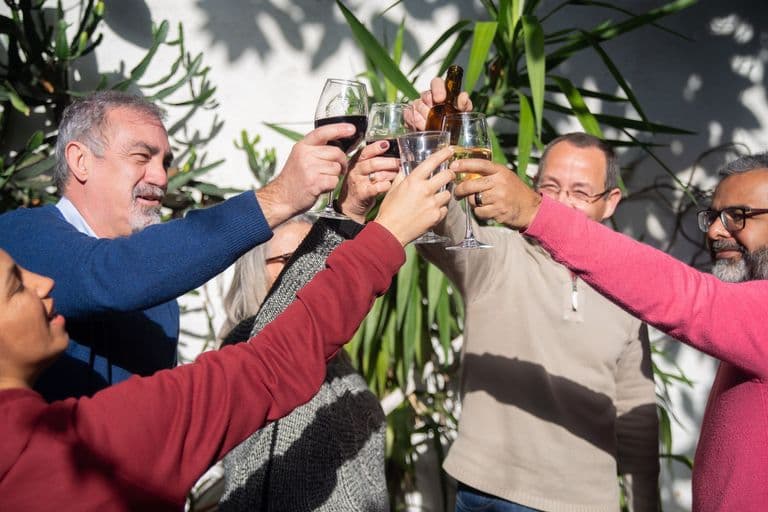
Club Event Photos: How to Stop Losing Member Moments to WhatsApp Chaos
Sports clubs, hobby groups, and societies generate hundreds of photos at every event. Most vanish into WhatsApp threads nobody scrolls back through. Here's a better system.
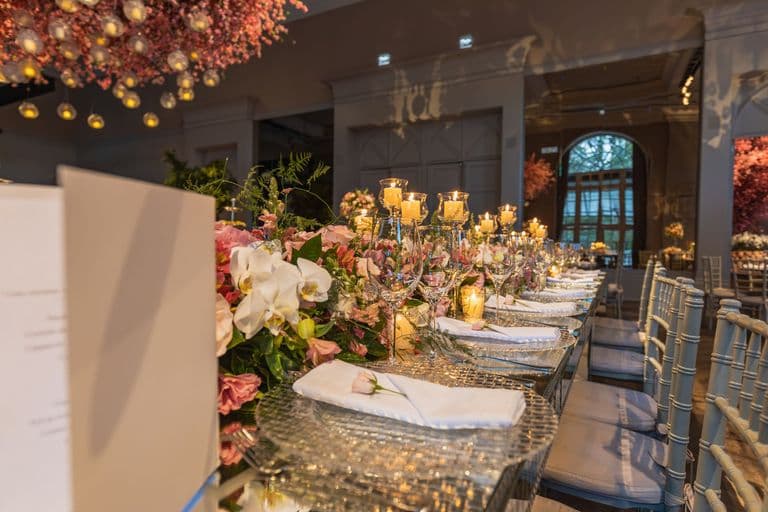
Wedding Hashtag vs QR Code Gallery: What Actually Works in 2026
Hashtags made sense in 2018. In 2026, most guest photos hide behind private profiles. Here's what replaced them.
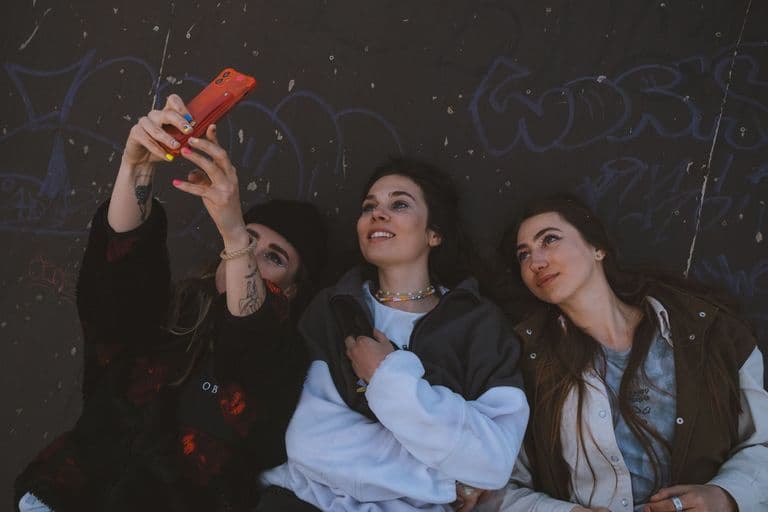
How to Configure Photo Challenges Guests Will Actually Finish
Most photo challenges get ignored after the first hour. Here's how to design tasks guests complete, with the right number, the right difficulty, and the right timing.