A Collection of Pictures Used to Mean a Shoebox. Now It Means Something Better.

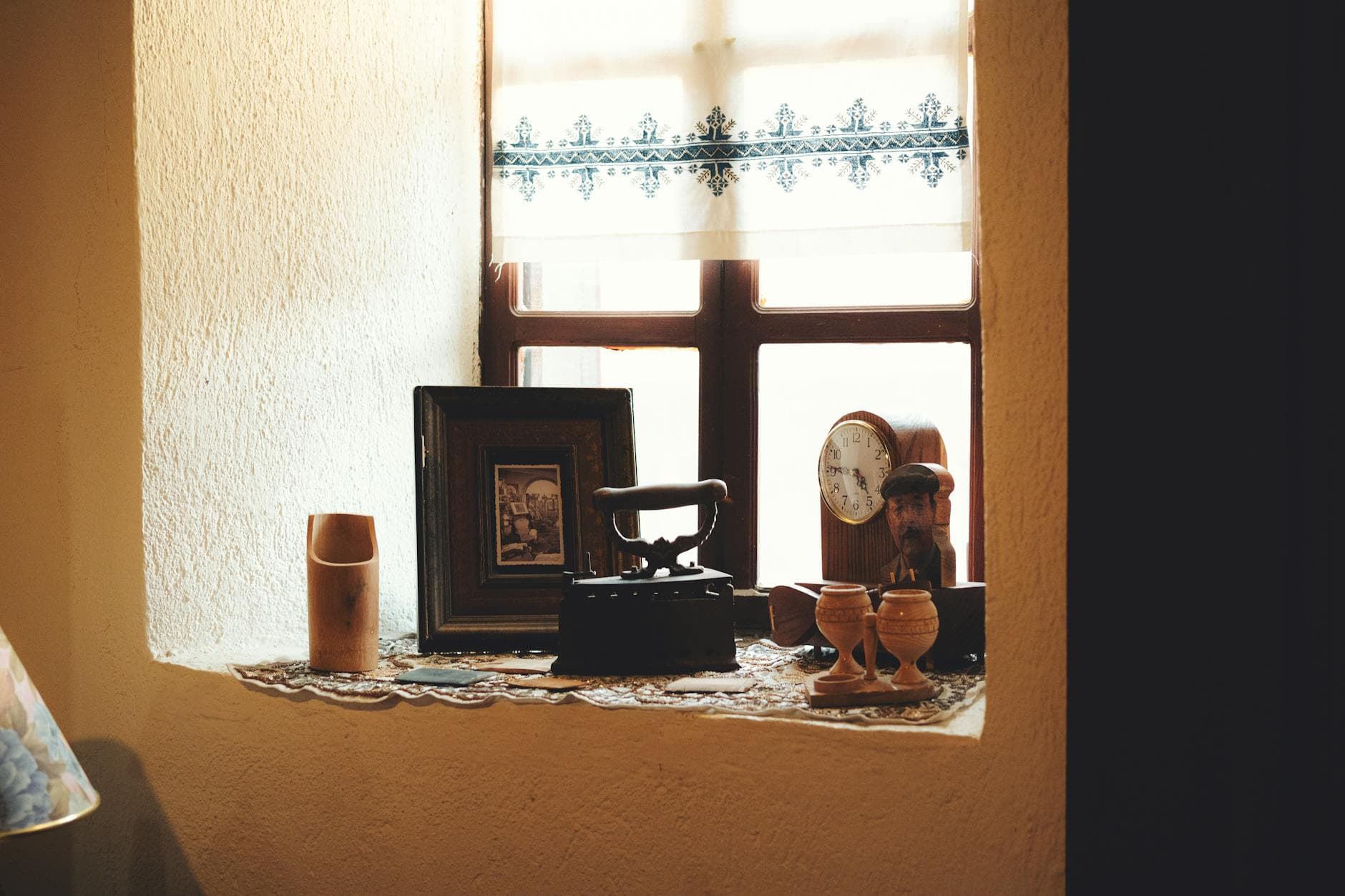
Somewhere in your parents' house, there's a shoebox. Maybe it's in the closet, maybe the attic. Inside: 200 photos from a family reunion in 1997. A few are blurry. One has a thumb in the corner. Most of them haven't been looked at in a decade.
That shoebox is a collection of pictures. So is the folder on your phone labeled "Wedding Sarah 2024" with 47 photos you took and never organized. So is the Google Photos shared album your cousin set up for Thanksgiving that three people contributed to before everyone forgot about it.
The concept hasn't changed: a collection of pictures is a group of photos gathered around a shared subject, event, or theme. What has changed is how scattered those photos get across phones, cloud services, messaging apps, and hard drives. The problem isn't taking photos anymore. The problem is getting them all into one place.
The Real Problem With Modern Photo Collections
Here's a number that should bother you: according to Photutorial's 2024 analysis, roughly 1.8 trillion photos are taken every year worldwide. About 5 billion per day. Smartphones account for the vast majority of them.
Now think about what happens after a birthday party with 30 guests. Everyone took photos. Some on iPhones, some on Android. A few shot video. The host posts a handful to Instagram Stories that vanish in 24 hours. Someone creates a WhatsApp group called "Tom's 40th pics!" that gets 8 contributions before going silent. The rest of those photos? Buried in camera rolls, never shared, never seen by anyone else.
A photo collection only works if people actually put their photos in it. And that's where most methods fail quietly.
Five Ways to Build a Photo Collection (Ranked by Honesty)
Not every approach works equally well. Some are great for solo organizing. Others are better when you need 50 people to contribute. Here's what actually holds up.
1. The Physical Album
Still underrated. NYT Wirecutter spent 120+ hours testing photo book services and found that printed books make people reconnect with photos in a way screens can't replicate. The tactile experience matters.
The downside: a physical album is a solo project. You're collecting your own photos. If you want pictures from 100 wedding guests or 30 family members at a reunion, a printed book is the end product, not the collection tool.
2. Cloud Shared Albums (Google Photos, iCloud)
The obvious choice. Create a shared album, send the link, hope people add photos. Google Photos works well if everyone has a Google account. iCloud works well if everyone has an iPhone.
The catch: at a typical event, not everyone has the same ecosystem. Your Android-using uncle can't easily join an iCloud album. Your aunt who never set up a Google account gets stuck at a login screen. You end up with a collection that captures maybe 40% of the photos that were actually taken.
3. WhatsApp / Messenger Groups
The default move. Someone creates a group, everyone dumps photos in. It works because everyone already has the app.
It falls apart at scale. WhatsApp compresses images, so quality drops. The chat gets noisy. Photos get buried under messages. And if you want to find a specific shot three months later, you're scrolling through hundreds of messages. Photobucket's guide on organizing event photos recommends sorting photos immediately after events rather than letting them pile up, but in a messaging thread, that's nearly impossible.
4. Dedicated Family / Group Apps
Apps like FamilyAlbum offer free unlimited storage and auto-organized albums sorted by month. They work well for ongoing family photo sharing, especially between parents and grandparents. Camdeed takes a similar approach for family events, requiring no app download from family members.
These apps solve the collection problem for small, recurring groups. They're less suited for one-off events where you need 100+ strangers (wedding guests, conference attendees) to contribute quickly without installing anything.
5. QR Code Event Galleries
This is where the collection model flips. Instead of asking people to join an app, download something, or find a shared link in their email, you put a QR code on a table. Guests scan it, their phone browser opens, they upload. No account, no app, no friction.
Everything lands in one gallery in real time. The collection builds itself while the event is still happening.
The best collection method depends on context. For ongoing family sharing, a dedicated app wins. For a one-time event with lots of guests, a QR-code gallery removes the biggest barrier: getting people to actually contribute.
See it in action
Every guest photo in one album – no app.
What Makes a Photo Collection Actually Useful
Getting photos into one place is step one. Keeping them useful is harder. Picture a 150-guest wedding with a QR code gallery: by the end of the night, there are 400+ photos. Some are gorgeous. Some are blurry. Some are of the buffet. Without structure, that collection becomes its own kind of shoebox.
A few things separate a pile of photos from a collection people actually revisit:
Organization That Happens Automatically
Nobody's going to manually sort 400 photos into folders after a wedding. The best collections organize themselves: by time, by person, by album. AI face recognition can group every photo of the bride together without anyone lifting a finger. Timestamps create a natural timeline of the event.
A Way to Find What You Want
The uncle who made that incredible toast? His daughter wants those photos specifically. Filters, face search, and albums make a collection navigable. Without them, finding a specific shot means scrolling through everything.
Moderation (Especially at Events)
When you invite 200 people to upload anything they want, you need a safety net. Content moderation, whether it's manual review or an AI filter, keeps the collection clean. This matters especially when photos are displayed on a live screen at the venue.
1.A moderation queue lets you review uploads before they go live
The Collection Nobody Expected
Here's what surprised me about QR code photo galleries, and what makes them fundamentally different from a shared album or a WhatsApp group: the collection keeps growing during the event.
Imagine a family reunion with 40 people across three generations. You set up a gallery with a QR code on the welcome table. Grandma scans it (with some help from a 12-year-old). The teenagers are uploading selfies within minutes. By lunch, there are 70 photos. By the end of the afternoon, over 150.
Nobody planned to take that many. But when uploading is as easy as scanning a code and tapping a button, the barrier disappears. The collection grows organically because contributing takes less effort than not contributing.
Compare that to the WhatsApp group someone creates after the event, when everyone's already back home and the moment has passed. The energy is different. The collection reflects that.
Building a Collection That Lasts
So you've gathered 300 photos from an event. Now what? This is where most digital collections die. They sit in a shared album, unvisited after the first week.
A few practical moves to keep a collection alive:
Download everything. Cloud services change their terms. Apps shut down. Gather Shot's wedding photo guide recommends collecting photos from all sources as soon as possible after an event. Bulk download your gallery as a ZIP and keep a local backup.
Cull before you share. Not every photo deserves to be in the final collection. Delete the duplicates, the accidental pocket shots, the ones where everyone blinked. A curated collection of 150 photos tells a better story than a raw dump of 400.
Print the best ones. Yes, really. A printed photo book from the 20 best shots of a wedding or reunion turns a digital collection into something physical that stays on a coffee table for years. The digital gallery is for completeness. The printed book is for memory.
Share the gallery link again a week later. People forget about photo collections. A simple message with the link ("remember this?") a week after the event brings people back and often triggers a second wave of uploads from people who procrastinated.
How Photogala Handles This
Photogala is a QR code photo sharing platform built specifically for events. Guests scan a code, upload from their browser (no app needed), and everything appears in a shared gallery in real time.
What makes it work as a collection tool: unlimited uploads on every plan, so nobody hits a wall. AI face recognition on the Deluxe plan groups photos by person automatically. A moderation dashboard lets you review everything before it goes public. And if you connect a TV or projector, uploaded photos appear on a live photo wall at the venue.
One honest trade-off: it's browser-based, not a native app. That's intentional (no install friction for guests), but it means you don't get push notifications to contributors' phones. The QR code and the live wall do the motivating instead.
1.Guests scan a QR code and upload directly from their browser
You can also add photo challenges to get guests actively contributing. Instead of hoping people remember to take photos of specific moments, you can set up prompts: "Photo with the birthday person," "Best dance move," "Funniest group selfie." Guests see the challenges, complete them, earn points. It turns passive photo-taking into an activity. That's something a shared Google Photos album will never do.
The Shoebox Was Never the Problem
A collection of pictures has always been simple in concept. Put the photos somewhere together. The shoebox worked fine when one person had one camera and 24 exposures per roll.
Today, 40 people at a family reunion carry phones with unlimited storage, and every one of them is a photographer. The collection challenge isn't storage. It's coordination. Getting everyone's photos into one place before the moment fades and people move on.
The tools that solve this best are the ones that make contributing effortless. A QR code on a table beats a shared album link in an email every time. Not because the technology is fancier, but because the moment someone has to search their inbox for a link, you've already lost half your contributors.
Somewhere in your parents' house, that shoebox is still there. The photos inside it are irreplaceable. The question is what your version of that shoebox looks like, and whether the people who took photos at your last event ever got theirs into it.
All of this comes with your own event.
Setting it up takes five minutes. You can build and view everything before you decide.
Starting from €39 one-timeOne-time payment — No subscription
- No App Required
- Setup in 5 Minutes
- 30-Day Money Back
“We used the software at my mum's birthday party. It went down really well 😊”
Written by

I believe event photos should be more than static galleries. They should be live, playful, and unforgettable.
Categories
Related Posts

Bridal Shower Photo Sharing: Collect Every Sweet Moment in One Gallery
Bridal shower photos end up scattered across 15 phones. Here's how to get them all into one gallery before the mimosas wear off.

Maternity Photo Sharing: How to Keep Every Announcement, Bump Shot, and Memory in One Place
Pregnancy announcements land on 4 different apps. Maternity photos get lost in group chats. Here's how to keep every photo in one shared gallery your whole family can access.

Sales Kickoff Photo Sharing: How to Turn a Mandatory Meeting Into a Team Memory
Sales kickoffs are expensive. The photos from them usually disappear into 14 different camera rolls. Here's how to fix that.