Your Gala Photos Are Stuck on 200 Phones. They Could Be Raising Money.

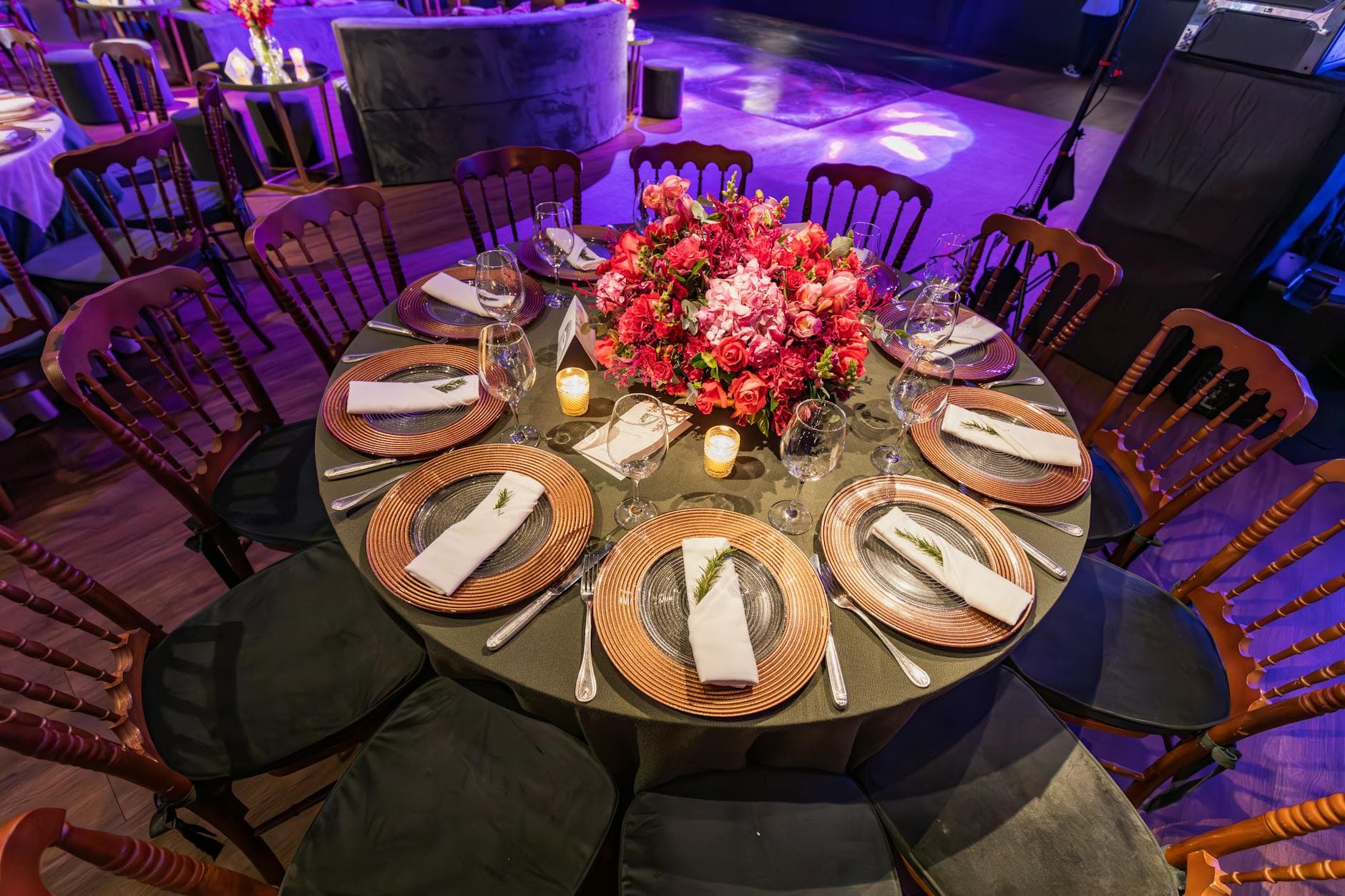
Picture a charity gala. 300 donors in a ballroom, cocktails flowing, a live auction that just pulled in $12,000 for a single painting. At least a third of those guests pull out their phones during the evening. They snap photos of the table centerpieces, the honorees on stage, their friends looking sharp in black tie. By tomorrow morning, those photos are buried in camera rolls. Unseen by anyone except the person who took them.
The organization's marketing team gets 45 polished shots from the hired photographer two weeks later. Professional, yes. But 45 photos from one perspective versus hundreds of candid, emotionally charged moments from the people who actually wrote the checks?
That's the gap. And it's costing nonprofits more than they realize.
Donor Photos Are Worth More Than You Think
Nonprofits spend thousands on event photography. They should. Good photos matter. But the most valuable photos at a fundraiser aren't the ones a photographer takes. They're the ones donors take themselves.
There's a reason for this. Research from Nonprofit Mensa shows that warmth and vulnerability in visual messaging spark emotional connections with donors. A professional shot of a podium is fine. A candid photo of a donor wiping tears during the keynote? That's the image that gets shared, gets liked, and reminds someone to give again next year.
The funding landscape in 2026 makes this more urgent. Nonprofits face intensifying financial pressure: shrinking government dollars, growing scrutiny, political volatility. Low-cost engagement strategies that extend the life of an event beyond the ballroom aren't a luxury. They're a survival tactic.
Here's what most organizations miss: the photos guests take at your gala already exist. Hundreds of them. The only question is whether you collect them in a shared space where they can work for your mission, or let them disappear into 200 individual camera rolls forever.
The Photo Booth Question
Photo booths at fundraisers are popular for good reason. They create interactive experiences that boost brand awareness and give guests something fun to do between the salad course and the keynote. Props, backdrops, printed strips. There's a reason event planners keep booking them.
The problem is cost and coverage. A decent booth rental runs $500 to $1,500 for a single evening. It sits in one corner of the venue. Maybe 30-40% of your guests actually walk over, wait in line, and use it. The rest of the event goes undocumented.
A QR code gallery changes that math entirely. Every table has a code. Every guest with a smartphone becomes a photographer. No line, no booth operator, no rental fee cutting into your fundraising margin. The photos are more diverse (different angles, different moments, different people) and there are simply more of them.
Photo booths still have their charm. The theatrical element, the printed strips guests take home as keepsakes. If your budget allows both, great. But if you're picking one photo strategy for your next gala, a shared gallery captures more moments from more people at a fraction of the cost.
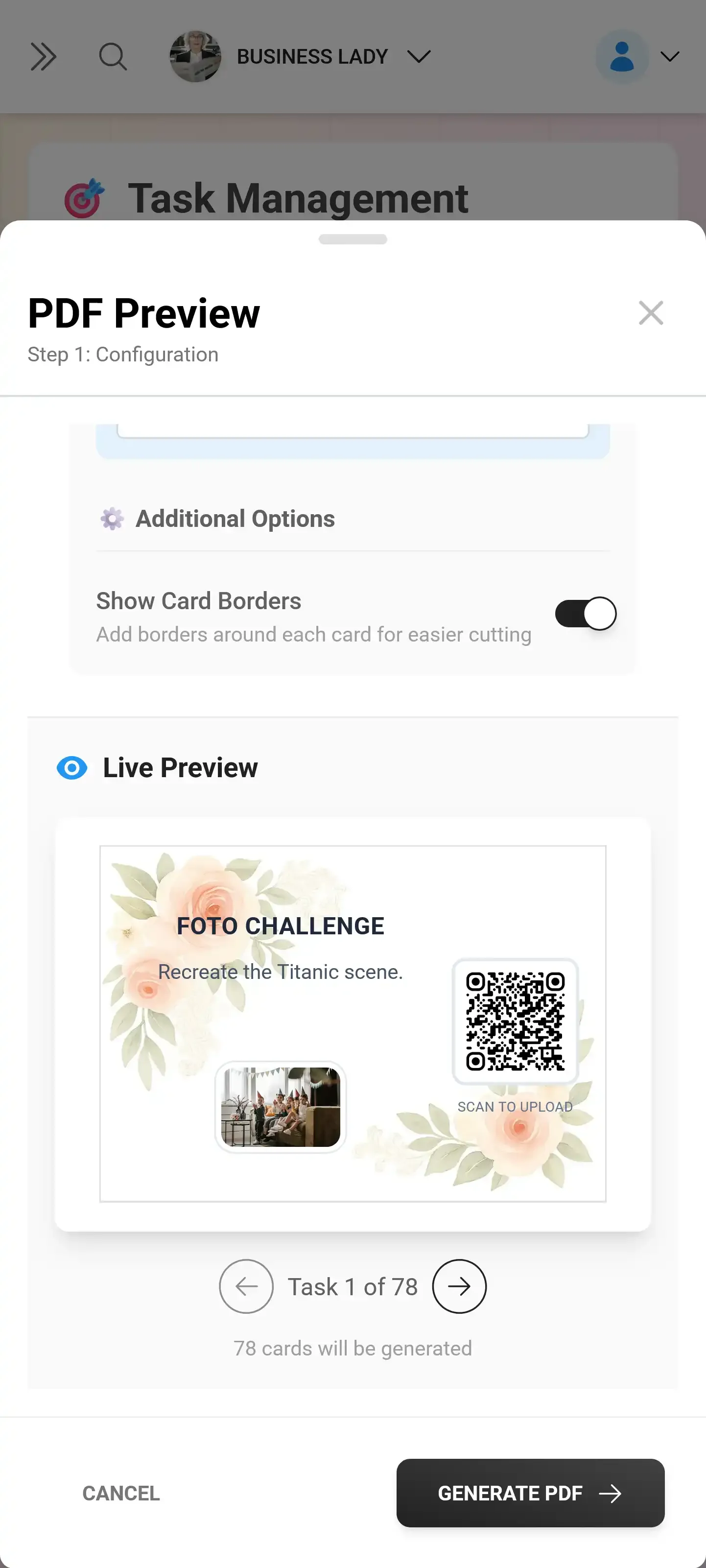
1.Print QR codes for every table at your fundraiser
Setting It Up Takes 15 Minutes
The practical part. Here's what actually happens when you set up a shared photo gallery for a fundraiser.
Three steps to gala photo sharing
Create the gallery
Set up an event gallery with your nonprofit's branding, logo, and colors. Add your event name and a short description. Takes about 5 minutes.
Print and place QR codes
Download the QR code and add it to table cards, name badges, or your event program. Guests scan with their phone camera to open the gallery instantly.
Watch the gallery fill up
Photos appear in real time as guests upload. Display them on a screen near the stage or bar for a live photo wall effect.
The whole process takes about 15 minutes. Most of that time goes into choosing your cover image and writing the event description.
One detail that matters more than you'd expect: where you place the QR code. On the table centerpiece card works well. On the back of name badges works. Projected on a screen during the cocktail reception, before dinner starts, works best of all. The key is that guests see it before they've already taken a bunch of photos. For a deeper dive on placement strategy, this setup guide covers what gets 90% of guests uploading.
Venue WiFi matters. Photogala is browser-based, so guests don't need to download an app. But they do need a connection. Check your venue's WiFi capacity before the event. If it's a basement ballroom with spotty signal, ask the venue about a temporary hotspot or signal booster. This is the one technical detail that can make or break the experience.
See it in action
Every guest photo in one album – no app.
Photo Challenges Turn Passive Donors into Participants
A shared gallery is useful. A shared gallery with photo challenges is a different experience entirely.
Imagine setting up challenges for your gala guests. "Snap a photo with someone you met tonight for the first time." "Capture your favorite auction item." "Show us the best-dressed table." Each challenge gives guests a specific reason to engage, and the act of completing one creates a small interaction with the event and with other attendees.
Two things happen when you do this. First, you get more photos. Noticeably more. People who wouldn't normally take event photos suddenly have a mission. Second, the photos are better. Challenges steer guests toward capturing moments that actually tell the story of your event, not just their wine glass from three angles.
You can tie challenges directly to your cause. "Photograph the thing that inspired you to come tonight" produces the kind of raw, genuine content no marketing agency could create. With a leaderboard showing who's completed the most challenges, the competitive donors (every gala has at least a few) end up doing the engagement work for you. If you want to take it further, real-world rewards can turn casual attendees into active participants.
Something that surprised me during the research for this piece: challenges don't just produce more content. They change the atmosphere. When guests have a shared activity, tables start talking to each other. Picture the quiet couple at table 12 laughing with board members at table 3 because they're both hunting for the most creative centerpiece angle. Those are exactly the kind of connections that turn a one-time donor into a recurring one.
After the Gala: Photos as Fundraising Tools
The event ends. Guests go home. Now what?
This is where most nonprofits lose the thread. They wait two weeks for the photographer's final gallery, post a few shots on Instagram, and move on. But if you've been collecting guest photos in real time, you have something better: a library of authentic, emotionally resonant content created by the donors themselves.
Fundraising photography experts at BetterWorld note that event photos serve a dual purpose: reminding attendees of the experience and spreading awareness of the organization's mission. A follow-up email with "Here are 283 photos from Saturday's gala" does both at once. The donor relives the evening, sees photos of themselves and their friends, and associates that warm feeling with your organization.
Some organizations take it further. A thank-you email with the gallery link, sent the morning after the gala, becomes a touchpoint that doesn't ask for anything. It just gives. Giving before asking is the oldest fundraising principle there is.
When donors share their favorite gala photos on social media, they spread the organization's message to people who weren't even there. That's organic reach you didn't pay for, attached to authentic endorsements from real supporters. No ad budget required.
The Content Library Bonus
Here's a benefit that pays off months later. Those 200-400 guest photos from your gala become your content library for the entire next year. Annual reports. Donor newsletters. Grant applications. Social media posts. Instead of recycling the same 10 professional shots, you have hundreds of authentic moments that show the human side of your work.
Make sure your gallery's terms of use allow this. Photogala lets you customize the upload agreement guests see before sharing, so you can include a clear consent clause for marketing, annual reports, and social media use. No ambiguity.
Photo Booth vs. QR Code Gallery: Side by Side
For nonprofits weighing their options, here's how the two approaches compare for a typical 200-guest fundraising gala.
Photo Booth Rental vs. QR Code Photo Gallery
| Criteria | Photo Booth Rental | QR Code Gallery |
|---|---|---|
| Typical cost | $500-$1,500/evening | $35-$139 one-time |
| Setup time | 1-2 hours + operator | 15 minutes, self-serve |
| Guest participation | 30-40% of attendees | 70-90% with good QR placement |
| Photo variety | One backdrop, posed shots | Many angles, candid moments |
| Real-time photo wall | Separate setup needed | |
| Post-event gallery | Rarely included | |
| Content moderation | Manual by operator | |
| Social sharing built-in | ||
| Photo challenges |
The photos from your next gala are going to be taken whether you plan for it or not. Three hundred donors with smartphones guarantee that. The only variable is whether those photos work for your mission or vanish into camera rolls. A QR code on the table and 15 minutes of setup is all it takes to find out.
All of this comes with your own event.
Setting it up takes five minutes. You can build and view everything before you decide.
Starting from €39 one-timeOne-time payment — No subscription
- No App Required
- Setup in 5 Minutes
- 30-Day Money Back
“We used the software at my mum's birthday party. It went down really well 😊”
Written by

I believe event photos should be more than static galleries. They should be live, playful, and unforgettable.
Categories
Related Posts

Sales Kickoff Photo Sharing: How to Turn a Mandatory Meeting Into a Team Memory
Sales kickoffs are expensive. The photos from them usually disappear into 14 different camera rolls. Here's how to fix that.
Customer Appreciation Event Photos: The Album Nobody Plans (But Everyone Wants)
Your best clients showed up, mingled, laughed. Then what? Here's how to turn a customer appreciation event into a shared photo gallery that keeps the relationship warm.
Store Grand Opening Photos: How One QR Code Captures the Ribbon Cutting and Everything After
The ribbon cutting lasts 3 seconds. The photos from your grand opening should last forever. Here's how to collect every guest photo with a single QR code.