Guest Engagement Beyond the Photo Booth: What Actually Works at Weddings

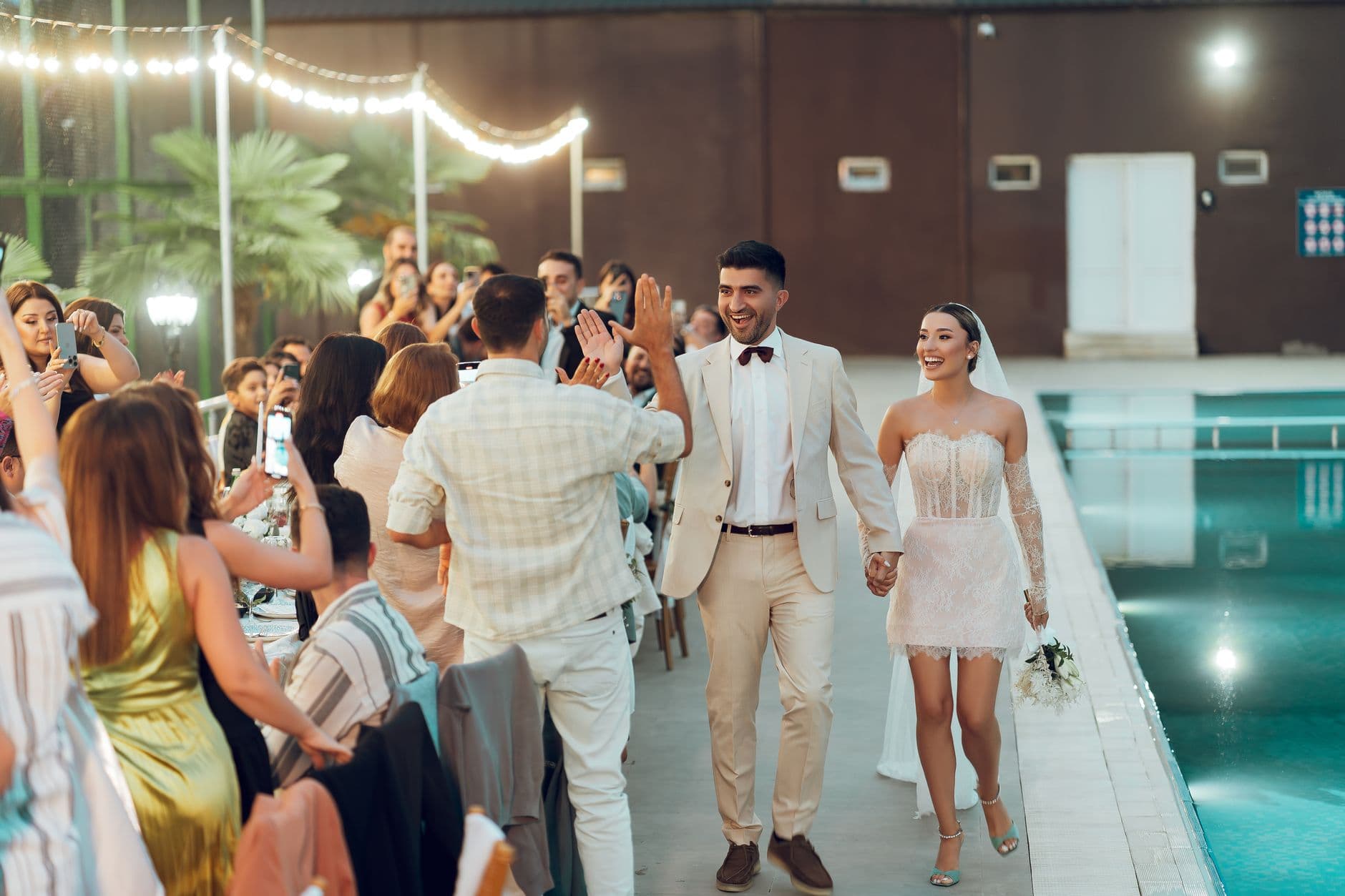
Picture this: a photo booth tucked into the corner of the reception hall, props spilling out of a basket, a ring light casting that familiar glow. Three guests are waiting in line. Two of them are checking their phones. Across the room, 140 other people are dancing, talking, laughing, and taking photos on their own phones that will never leave their camera rolls.
That's the photo booth problem in one scene. It was a great idea in 2012. It gave guests something to do, produced funny prints, and filled a gap that smartphones hadn't yet closed. But the gap is closed now. 61% of couples still include photo booths as guest entertainment, yet most of the best moments at any wedding happen nowhere near the booth.
This article isn't about killing the photo booth. It's about what comes after it. The approaches that turn passive attendees into active participants, that capture 10x more moments, and that don't require renting a $800 box with a curtain.
Why the Photo Booth Lost Its Edge
The original appeal was simple: guests got a physical takeaway. A strip of four photos, silly hats, oversized sunglasses. But smartphones changed the math. Every guest now carries a camera that's better than most photo booths. The novelty wore off. And the logistics never worked well for big weddings. A booth handles maybe 4-6 groups per hour. At a 150-guest wedding, that means most people never use it. The ones who do spend more time waiting than posing.
More importantly, the booth creates a bottleneck instead of a flow. It concentrates engagement in one corner rather than spreading it across the entire event. As Lola Ribas puts it, modern weddings work best as immersive experiences where guests become participants rather than spectators. A booth is the opposite of that. It's a station you visit once and forget.
If you're weighing your options, we compared photo booth alternatives that cost almost nothing in a separate post. Some of the best replacements are free.
The Shift: From One Station to Every Phone
The most effective guest engagement doesn't live in a corner. It lives in every pocket. The shift happening at weddings right now is from centralized entertainment (one booth, one DJ, one activity) to distributed participation (every guest's phone becomes the camera, the game, and the gallery).
Here's what that looks like in practice. Imagine a 180-guest wedding with table cards that each include a small QR code. Guests scan it with their phone camera, a browser-based gallery opens (no app download, no sign-up), and they start uploading photos. By the end of the evening, you have 400+ photos from dozens of angles, moments the photographer missed, and candid shots that are often more meaningful than the posed ones.
That's QR code photo sharing in its simplest form. But the real engagement comes from what you layer on top of it.
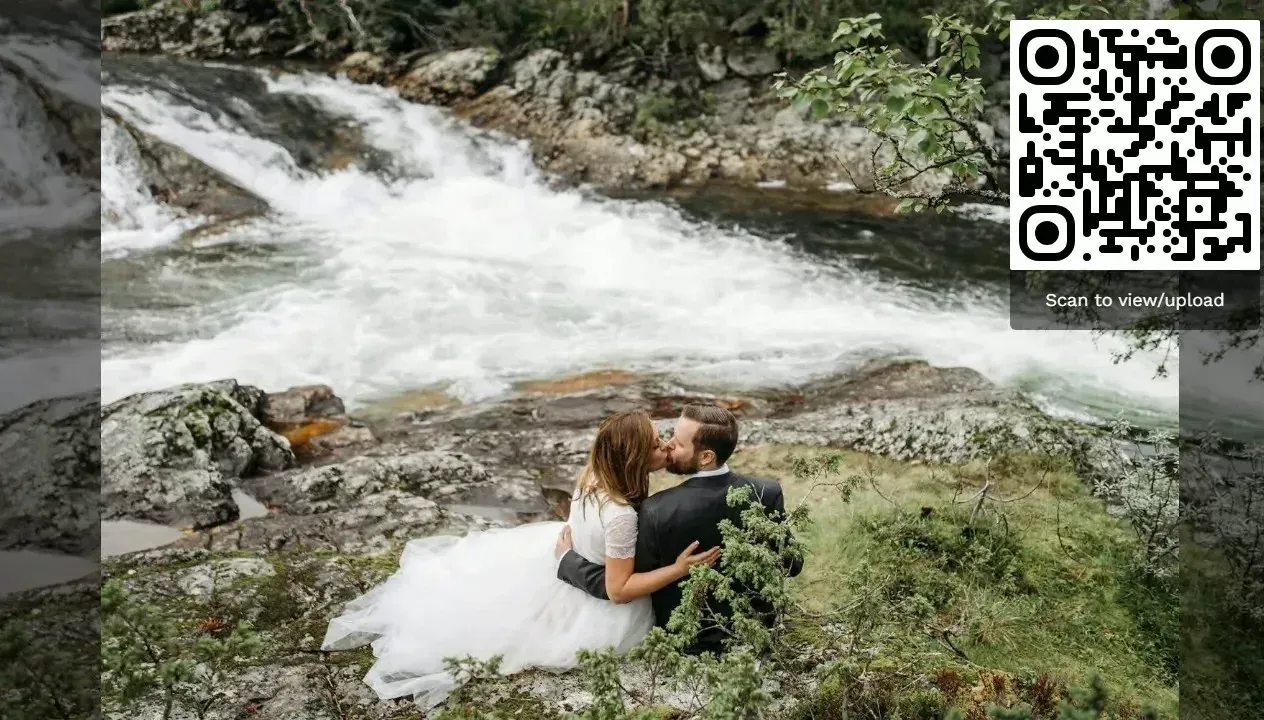
1.No app needed. Guests scan, open, and upload in under 30 seconds.
Photo Challenges: Turning Guests into Photographers
This is where engagement goes from passive sharing to active participation. Photo challenges give guests specific missions: "Capture someone crying happy tears," "Find the oldest person on the dance floor," "Snap the flower girl doing something unexpected."
The psychology is straightforward. A blank prompt ("upload your photos!") gets moderate response. A specific challenge gets people hunting, laughing, and competing. It works especially well during the cocktail hour or while the bridal party is away for portraits. Instead of guests milling around checking their emails, they're actively looking for funny moments. We've put together 50 creative photo challenge ideas if you need inspiration.
What makes challenges particularly interesting is the example photo feature. You can attach a reference image to any challenge: a famous movie pose, a meme, a ridiculous face. Guests see the example and try to recreate it. Photo Roulette, where each guest gets a random reference photo to mimic, consistently produces the funniest results at any wedding.
Timing matters. Set 5-8 challenges total. Release 3 before dinner (ice-breakers), 2 during the reception (dance floor and candid moments), and keep 2-3 as surprises that unlock later in the evening. Staggering them keeps the energy going all night.
See it in action
Every guest photo in one album – no app.
The Leaderboard Effect
Say you add a points system on top of those challenges. Every uploaded photo earns points. Completing a challenge earns bonus points. A leaderboard shows who's contributing the most.
Something interesting happens. The competitive guests (every wedding has them) start uploading everything. The uncle who never takes photos suddenly has 22 uploads because he wants to beat the best man. The teenagers form alliances. The grandmother quietly climbs the ranks because she's been snapping candids all evening without anyone noticing.
This isn't hypothetical wishful thinking. Research from Entertaining Guests confirms that photo-related scavenger hunts with challenges and prizes consistently keep guests engaged, especially during transition moments like the photo session break. Gamification features like leaderboards and achievements tap into the same psychology that makes fitness apps addictive, just applied to wedding photos.
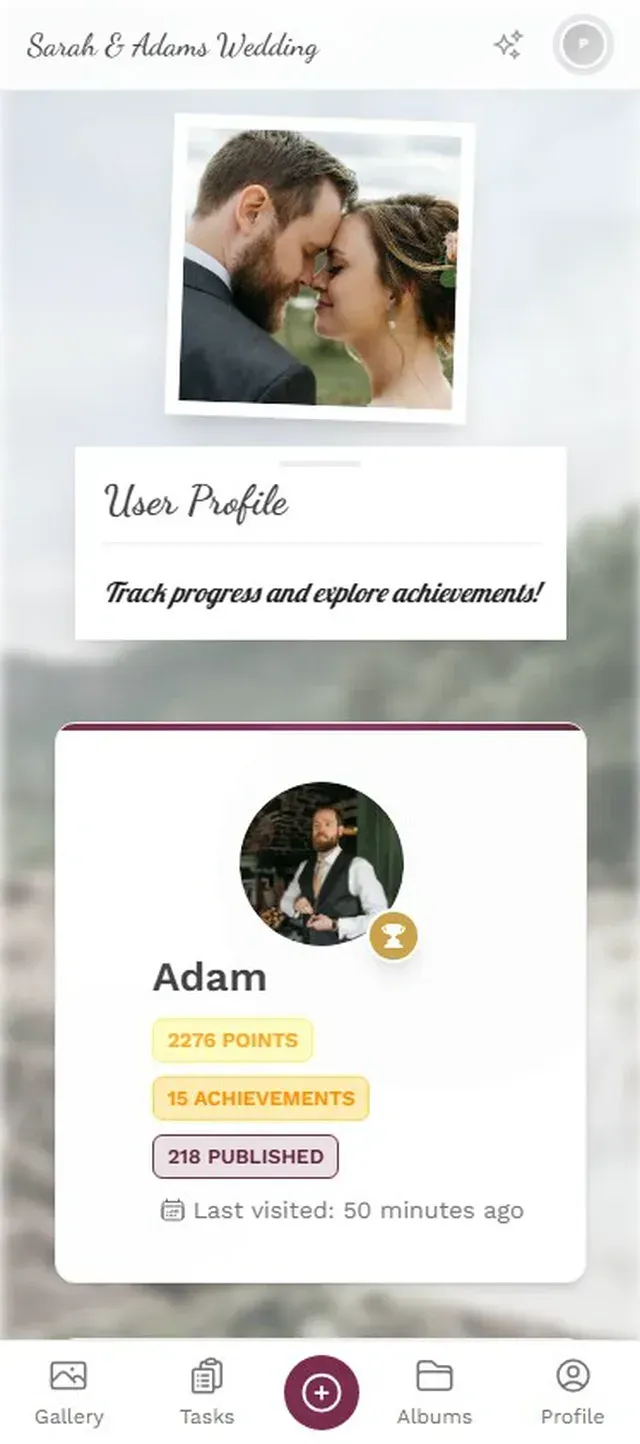
1.Guests compete for the top spot. It gets surprisingly intense.
The Live Photo Wall: Where It All Comes Together
Everything guests upload can appear on a live photo wall, a TV or projector screen showing photos in real time. This is the replacement for the photo booth's physical output, except instead of a strip of four photos that one group sees, every guest's photos appear on a big screen that the whole room watches.
Placement makes or breaks it. Near the bar works. Behind the DJ booth works. In a side hallway? Nobody sees it. The screen should be somewhere guests naturally gather and glance at. When someone spots their photo cycling on the big screen, they nudge their friends. More people upload. The cycle feeds itself.
If you're considering this, our guide on setting up a live photo slideshow at your reception walks through the technical setup. It's simpler than most people expect.
One honest trade-off: A browser-based gallery doesn't produce instant physical prints like a photo booth does. If having a tangible keepsake at the wedding matters to you, consider adding a small Polaroid station alongside the digital gallery. They complement each other well.
Beyond Photos: Other Guest Activities That Work
Photo sharing is the backbone, but the best weddings layer multiple engagement touchpoints. Farah's Couture recommends Guest Bingo cards placed on seats, where guests need to find someone who "has been to three continents" or "cried at the ceremony." It forces conversations between tables that would never otherwise interact.
Digital guestbooks are another option gaining traction. Instead of a physical book that sits half-empty (because who wants to write with a pen at a party?), guests scan a QR code and leave a photo, a voice note, or a short message. It's the same QR upload concept, just framed differently. We explored this idea further in our post about building one photo gallery from engagement party to wedding day.
The pattern across all of these: low friction, high reward. Nothing that requires guests to download an app, create an account, or leave the party. The moment you add friction, participation drops off a cliff.
The Numbers: Booth vs. Distributed Engagement
Here's a rough comparison of what a traditional photo booth produces versus a QR-based photo sharing setup at a similar-sized wedding.
Photo Booth vs. QR Photo Sharing
| Feature | Photo Booth | QR Photo Sharing |
|---|---|---|
| Setup cost | $500-1,200 rental | $0-79 (one-time) |
| Photos produced (150-guest wedding) | 80-150 strips | 300-600+ photos |
| Guests who participate | 20-30% | 50-70% |
| Requires staff/attendant | Usually yes | |
| Captures candid moments | (posed only) | |
| Guest downloads afterward | (prints only) | full gallery |
| Works during dancing | ||
| Photo challenges & games | ||
| Real-time display | (photo wall) | |
| Video support | Rarely |
The cost difference alone is significant. The average US wedding already costs around $36,000 (Joy Wedding Report, 2025). Redirecting $800 from a booth rental toward better food, music, or decor is a trade most couples would take happily, especially when the replacement captures more content.
For more on how QR codes are replacing traditional photo booths at events, we've done a deeper comparison.
Making It Work: A Practical Setup
Set Up Guest Engagement in 15 Minutes
Create your gallery
Pick your event type, customize colors and branding, and generate your unique QR code.
Add photo challenges
Choose from templates or create custom challenges with example photos for guests to recreate.
Print QR codes on table cards
Download printable templates. Place one on every table, at the bar, and near the entrance.
Connect the photo wall
Plug a laptop or smart TV into the display. Open the photo wall URL. Done.
The whole setup takes less time than arranging the seating chart. You can customize the gallery's branding to match your wedding theme, from colors and fonts to header styles. If you want content moderation (useful if Uncle Jerry has a reputation), assign a bridesmaid as moderator. One tap to approve, one tap to reject.
And for couples who want every photo organized after the event, face recognition lets guests upload a selfie and instantly find every photo they appear in. Beats scrolling through 500 photos trying to find yourself.
What Guests Actually Remember
Here's a thought that changed how I think about wedding entertainment. Well Chosen Weddings makes the observation that what guests remember most is how the wedding felt, not how it looked. The flower arrangements fade from memory. The exact shade of the bridesmaid dresses disappears within a week. But the moment someone's photo appeared on the big screen and the table erupted? That sticks.
The best engagement strategies create those shared moments of surprise, laughter, and gentle competition. A photo booth creates isolated moments for small groups. Distributed photo sharing creates collective moments for the entire room.
If you're still in the planning phase, take a look at our wedding photo sharing etiquette guide and our ideas for wedding photo gallery walls. And if sharing those photos afterward without a six-month delay matters to you (it should), we covered how to share wedding photos with family without the usual chaos.
The photo booth had a good run. Twelve years of silly hats and awkward poses. But weddings in 2026 deserve engagement that reaches every guest, not just the six who waited in line. The tools exist. They're cheaper, they capture more, and they turn the whole reception into the experience. All you need is a QR code and something worth photographing. At a wedding, that's never the hard part.
All of this comes with your own event.
Setting it up takes five minutes. You can build and view everything before you decide.
Starting from €39 one-timeOne-time payment — No subscription
- No App Required
- Setup in 5 Minutes
- 30-Day Money Back
“Excellent service and great pictures! Photogala fully met our expectations at the event. The value for money is unbeatable. Absolutely recommended! The seating plan saved us a lot of hassle!”
Written by

I believe event photos should be more than static galleries. They should be live, playful, and unforgettable.
Categories
Related Posts

Bridal Shower Photo Sharing: Collect Every Sweet Moment in One Gallery
Bridal shower photos end up scattered across 15 phones. Here's how to get them all into one gallery before the mimosas wear off.

Maternity Photo Sharing: How to Keep Every Announcement, Bump Shot, and Memory in One Place
Pregnancy announcements land on 4 different apps. Maternity photos get lost in group chats. Here's how to keep every photo in one shared gallery your whole family can access.

Sales Kickoff Photo Sharing: How to Turn a Mandatory Meeting Into a Team Memory
Sales kickoffs are expensive. The photos from them usually disappear into 14 different camera rolls. Here's how to fix that.