The End of USB Sticks and CDs: Why Digital Photo Delivery Is the New Standard

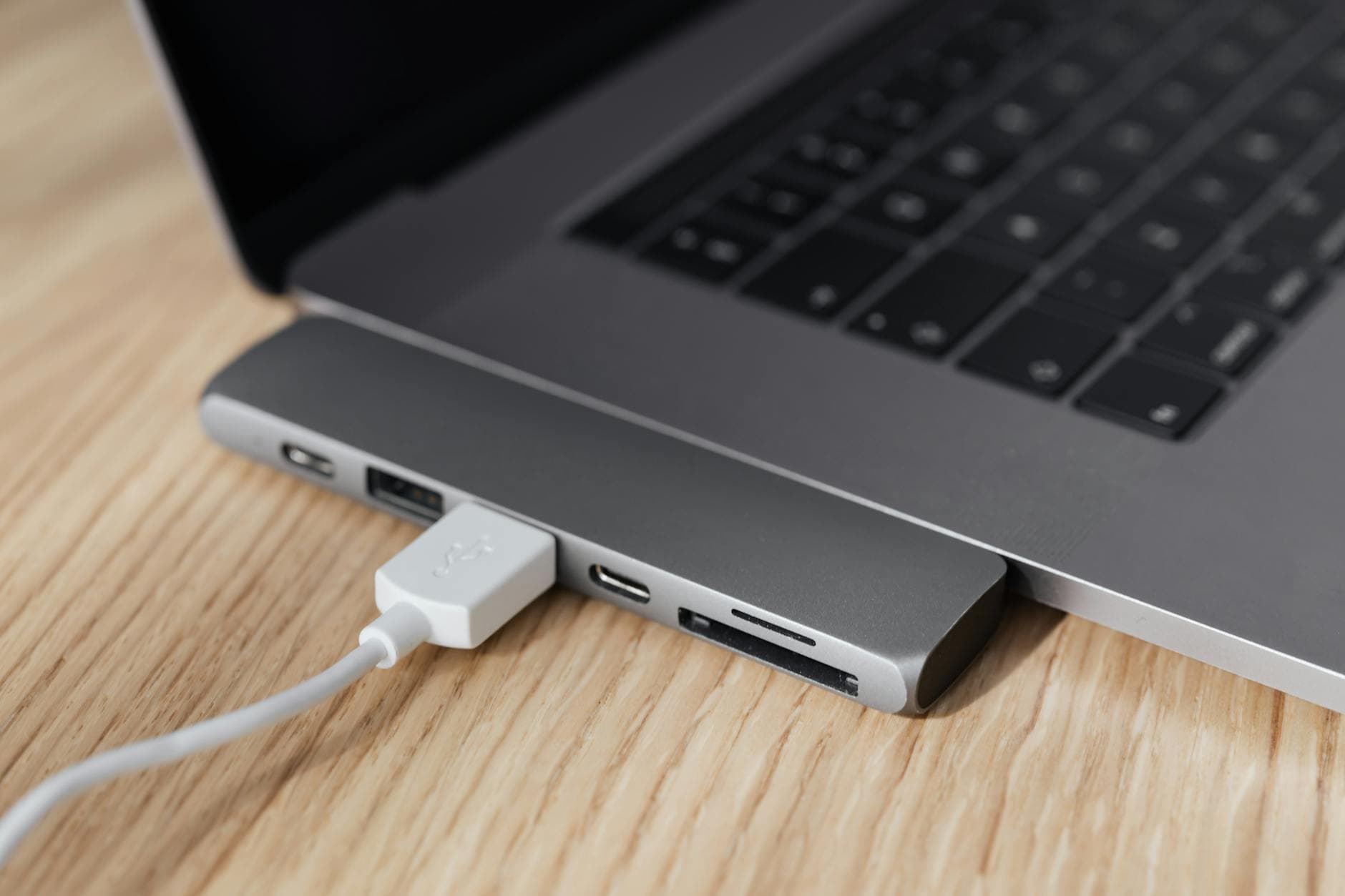
Somewhere in a kitchen drawer there's a USB stick from a wedding that took place a few years ago. Nicely engraved, maybe in a little wooden box. It was plugged in once, maybe twice. Then it went into the drawer, between a takeaway menu and a dead battery.
Nobody did anything wrong here. The photographer delivered carefully, the couple was thrilled. But a stick in a drawer is simply not how people look at photos anymore. They look at them on their phones, on the sofa, on the train, while showing them to a friend.
For event photographers that changes the last step of the job: delivery. This article looks at why physical media is fading, what good digital delivery looks like, where prints and albums still belong, and how guest photos can sit next to professional work without competing with it.
What Happens to a USB Stick After the Event
Ask around and you hear the same story again and again. The stick gets opened once, the files get copied to a laptop, and then they sit in a folder called "Wedding" that nobody browses.
It's not that people don't care about the photos. They do. The friction is the problem. Plenty of newer laptops only have USB-C ports, CD drives are hard to find at all, and the couple still has to pass the pictures on to the 14 people who keep asking for the group shot at table 7.
FixThePhoto points out that email attachments fall apart quickly with high-resolution images because of size limits. So a chain starts: the couple tries email, it bounces, they try a transfer service, the link expires after a week, and three months later someone at brunch asks whether anyone ever got those photos.
Nobody did. And the photographer, who did great work, never hears about it.
Why a Plain Cloud Link Only Solves Half the Problem
Digital delivery isn't new. Photographers have used Dropbox and Google Drive for years. Those tools are good at moving files. They weren't built for events.
A shared folder gives the couple a list of files named DSC_0847.jpg. No gallery, no way for an aunt to find the three photos she's actually in, no easy way to pass a link to 120 guests. It solves the transfer and creates a new problem: finding things. We compared this in detail in Photogala vs. Dropbox for event photos.
Client galleries for photographers solved a big part of that. Event galleries add something else: access for every guest via QR code. Picture a reception with a small QR code on every table card. Guests scan it with their phone camera, a gallery opens in the browser, and they can look at photos and add their own. No app, no account, no stick to carry home.

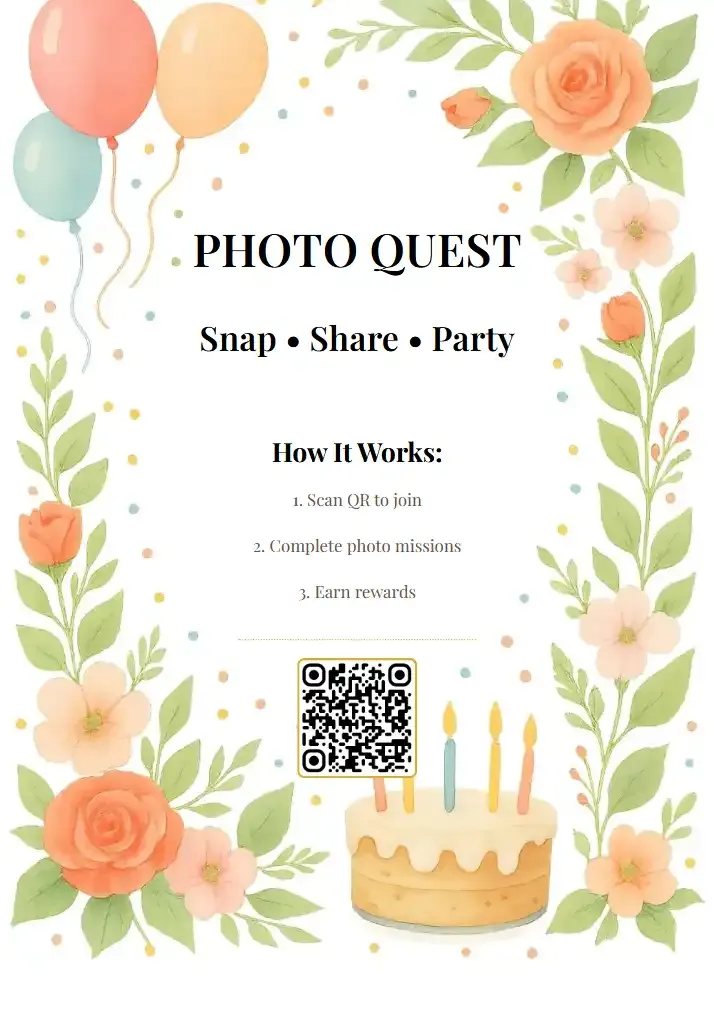
1.Scan, browse, upload, all in the browser.
This part surprises photographers sometimes: guests don't only want to receive photos, they want to add theirs. The shaky dance-floor shots, the kids' selfies, the moment at the bar. Those aren't competing with professional coverage. They're the bits that happen while the photographer is, quite rightly, focused on the couple.
Three Things Physical Media Can't Do
USB sticks and CDs have one real advantage: they work offline and nobody depends on a provider. That's worth something. In almost every other respect, digital delivery fits better with how people use photos today.
1. Everyone gets access at once
A USB stick serves one person at a time. A gallery link serves the whole guest list at the same time, during the event, on the drive home or six months later on a nostalgic evening. No hardware needed.
2. Sharing goes both ways
Physical media is a one-way street: here are the files, done. An event gallery lets guests contribute. The professional photos stay the backbone of the day, and the guest shots fill in the corners, as we describe in how guest photos complete the story.
3. It actually gets looked at
Photo libraries have largely moved to phones and the cloud, and TechRadar's overview of cloud storage for photos shows how many services compete for them. People scroll through galleries. They rarely plug in sticks. A delivery format that matches that habit simply gets used more.
See it in action
Every guest photo in one album – no app.
What About Photo Books and Prints?
Fair question, and an important one for many photographers, because albums and prints are often part of the package. CNET's photo book guide shows how much choice there still is for printed books.
Digital delivery doesn't get in the way here, it helps. When all the photos are in one online gallery, the couple can pick their favourites at their own pace and order the album later. They choose from the whole set instead of whatever survived the copy from the stick to the laptop. Digital delivery doesn't replace physical keepsakes. It makes choosing them easier.
What Good Digital Delivery Looks Like
Not all digital delivery is equal. A transfer link that expires after seven days isn't much better than a stick in a drawer. Good delivery has a few clear traits.
It's quick: guests can see photos during the event or shortly after, not weeks later. It's browsable: a gallery with albums beats a flat folder of files. And it's easy to open: no app, no account, no login wall. Scan the code, look at the photos.
One point many people overlook: once 200 guests can upload, you want moderation. Most uploads are harmless, but now and then a screenshot of a private chat ends up in the wrong place. That matters even more at corporate events.

1.Bulk download in original quality for the people who need the files.
Photogala covers these points: QR access in the browser, uploads that appear live, several gallery layouts, and a moderation queue (from Premium) where uploads wait for approval before they reach the gallery or the photo wall. On Deluxe an AI filter also checks uploads for explicit content. In the download area the files are available in original quality, individually or as a ZIP.
One honest trade-off: full delivery isn't free. The free plan is fine for trying things out, but downloads start with the paid plans, from €39 one-time for Plus, with no subscription. And the gallery stays online for the storage period of the plan, not forever. A copy on your own drive remains a good idea, and our guide on archiving event photos long term explains how.
Set the gallery up before the event, not after. Print the QR code on table cards, menus or a small sign so guests can start contributing from the first toast. For more placement ideas, read our guide on QR codes at restaurant and bar events.
For Photographers: Delivery as Part of the Service
If you shoot events, the move away from physical media is good news. Burning, labelling, packing and posting sticks takes time and costs money. And you never know whether anyone opened them.
With an event gallery you get a first sense of that. The event statistics show how often the gallery was opened (counted as views, not people), how many guests contributed and how many downloads there were. Not a vanity number, more an answer to the question of whether your delivery arrived.
And the guest uploads? They do a different job. Your photos carry the day: the light, the portraits, the ceremony. Guest photos fill the hours and corners you weren't booked for. Many couples are happy to have both in one place, and offering that makes you look like someone who plans ahead. We wrote more about this in why photographers should offer digital delivery and where to upload event photos for clients.
Two more things for professionals. With live upload (from Premium) your camera sends photos straight into the gallery via FTP or WebDAV, so the first shots show up while the party is still going. And if you deliver many events a year, the partner program is worth a look, with your own branding defaults and event credits.
Making the Switch
If you still hand out USB sticks, the switch is smaller than you might expect. You don't need to rebuild your workflow, just the delivery step.
From USB Stick to Gallery in Three Steps
Create the gallery before the event
Set up the event gallery, adjust the design and get the QR code.
Swap the stick for a QR code
Put the QR code on table cards, invitations or a sign. Guests open the gallery in the browser, no app needed.
Let the gallery do the work
Uploads appear live, guests browse and add their own shots, and the gallery stays online for the storage period of your plan.
The cost question is worth a look too. Branded sticks, packaging and postage add up for every client. A paid gallery is a one-time payment from €39, with no subscription, and it serves every guest at once. Whether you book it yourself or recommend it to your clients depends on how you price your packages.
What Stays Physical
Not everything has to go digital. A printed photo on the mantelpiece feels different from a thumbnail on a screen. Albums, framed prints and instant prints at the event all have their place, and they're often a valuable part of a photographer's offer. The point isn't that physical photos are over. It's that physical delivery of the files is.
The best approach combines both: a digital gallery as the main delivery channel and printed keepsakes as a curated next step. Choose 20 favourites from the gallery, order the album, frame the best one. Want to know what timeline couples should expect for their photos? Our article on how long after the wedding photos usually arrive has a realistic overview.
That USB stick in the drawer won't plug itself in. The photos on it deserve a place where people can actually look at them. Getting them there takes a QR code and a gallery.
All of this comes with your own event.
Setting it up takes five minutes. You can build and view everything before you decide.
Starting from €39 one-timeOne-time payment — No subscription
- No App Required
- Setup in 5 Minutes
- 30-Day Money Back
“We used the software at my mum's birthday party. It went down really well 😊”
Written by

I believe event photos should be more than static galleries. They should be live, playful, and unforgettable.
Categories
Related Posts

Pride Parade Photo Sharing: How to Collect Every Glitter-Covered Moment From 500 Strangers
Hundreds of people, rainbow flags everywhere, costumes that took months to make. Here's how to collect all those scattered photos into one shared gallery.

Golf Outing Photo Sharing: How to Collect 400 Photos Across 18 Holes (Without Chasing Down Every Foursome)
Golf tournaments spread across 18 holes and 5 hours. One photographer can't be everywhere. Here's how QR code galleries collect every foursome's best moments into one shared album.

Photo Sharing for Churches and Congregations: One Gallery for Every Service
Churches produce hundreds of photos every week across dozens of phones. Most vanish into personal camera rolls. Here's how one shared gallery with a QR code fixes that.